

Summit Spine & Joint Centers is pleased to announce a new pain and joint clinic now open in Carrollton. Located at 526 Bankhead Highway, Suites 101 and 102, this new clinic will offer all the cutting-edge pain management treatments we provide to patients at our other locations throughout Georgia. If you are living with pain, our team is ready to accommodate you with services at this new location! Continue reading “A New Clinic Is Now Open in Carrollton!”
Category: Pain Management
5 Benefits of Epidural Steroid Facet Injections
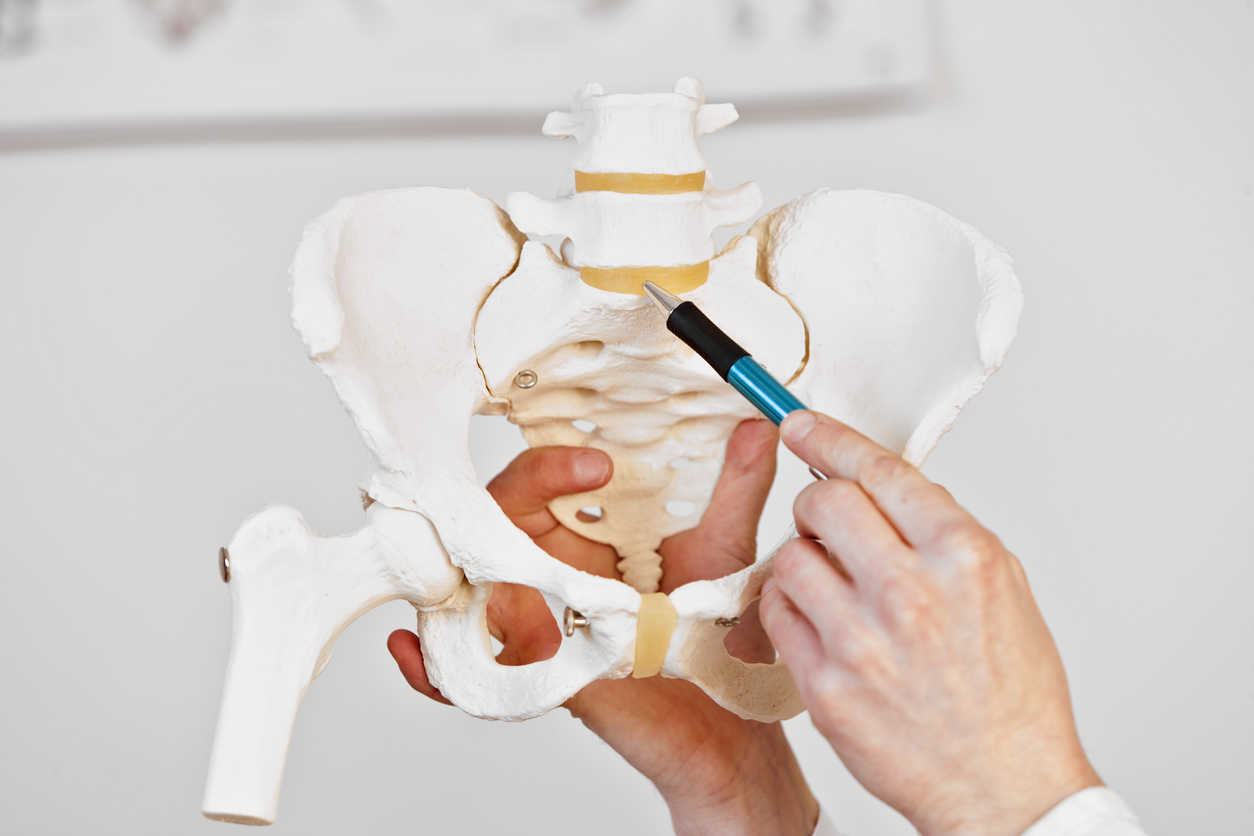
Facet joints—the joints that help link each vertebrae in your spine—can become painful for a variety of reasons. You may have had an injury or they may have developed chronic inflammation or arthritis. Facet joint syndrome is a condition in which the facet joints cause chronic pain and reduced mobility. Continue reading “5 Benefits of Epidural Steroid Facet Injections”
Can Spinal Cord Stimulation Help Your Chronic Back & Neck Pain?

Spinal cord stimulation (SCS) uses a device to prevent pain nerve signals from reaching your brain. Using a neurostimulator, a small, thin device implanted in the skin, SCS sends out electrical signals that interrupt those from the source of your pain, which can help reduce or eliminate your discomfort. But is spinal cord stimulation the right choice for your chronic back or neck pain? Continue reading “Can Spinal Cord Stimulation Help Your Chronic Back & Neck Pain?”
Can Epidural Steroid Injections Relieve Your Pain?

Are you suffering from chronic lower back or radiating leg pain and want to avoid back surgery? An epidural steroid injection (ESI) may help. ESIs are commonly used in combination with other types of therapies to help relieve back pain. The injection contains a steroid-anesthetic medication which may help alleviate spinal nerve inflammation and improve your pain. The procedure only takes a few minutes and some patients can experience pain relief that lasts anywhere from a few weeks to a year. Continue reading “Can Epidural Steroid Injections Relieve Your Pain?”
How to Cope When You Live With Chronic Pain

Chronic pain is persistent discomfort that can last weeks, months or even years. While some patients have an initial injury that can lead to ongoing pain, others may not have a definitive source of discomfort. Other types of pain are the result of a specific disorder or another condition. Continue reading “How to Cope When You Live With Chronic Pain”
How a Medial Branch Block Relieves Lower Back Pain

A medial branch block may be helpful for people who are experiencing facet joint syndrome symptoms as the result of injury or arthritis. During this procedure, a small amount of anesthetic medication is injected into your body close to the medial nerves. If you experience pain relief, you could be a candidate for radiofrequency ablation, which is a procedure that can provide more long-term pain relief. Continue reading “How a Medial Branch Block Relieves Lower Back Pain”
Elliquence Disc-FX® System Helps Patients With Back Pain Due to Degenerative Disc Disease

People who live with back pain due to degenerative disc disease are often in chronic discomfort, and may even experience leg pain as the result of pinched nerves. For patients who have not experienced pain relief with conventional therapies, the Elliquence Disc-FX® System may help. Continue reading “Elliquence Disc-FX® System Helps Patients With Back Pain Due to Degenerative Disc Disease”
Announcing an Exciting New Treatment for Sacroiliitis & Low Back Pain

Summit Spine & Joint Centers is excited to announce a new treatment we’re offering for sacroiliitis and low back pain. This treatment is called the LinQ™ and allows patients to fuse and stabilize their sacroiliac joints to reduce pain and discomfort. Continue reading “Announcing an Exciting New Treatment for Sacroiliitis & Low Back Pain”
What Is a Low Back MRI?

A low back MRI creates detailed images of your spine and the soft tissue surrounding it. These images come in slices which can be used to detect, diagnose and guide treatment for a number of issues. Here’s what you need to know about magnetic resonance imaging (MRI) for the lower back.
What Is Spinal Cord Stimulation (SCS)?
The medical field is constantly changing. In the practice of medicine, and more specifically pain management, there’s always room for growth and improvement. Here at Summit Spine & Joint Centers, we aim to be on the forefront of innovation in every aspect of patient care. Continue reading “What Is Spinal Cord Stimulation (SCS)?”
Q&A: Preparing for Your First Appointment

Many of our patients come to us with no previous pain management care. As such, many first-time patients are anxious and expect to be overwhelmed by their experience. Continue reading “Q&A: Preparing for Your First Appointment”
What Is Foot Drop? Causes, Early Signs and Treatment

If your toes have started catching on rugs, curbs or stairs, the problem may not be clumsiness. Foot drop is difficulty lifting the front of the foot, and it’s usually caused by a problem with the nerves or muscles that control it, most often a compressed nerve at the knee or a pinched nerve root in the lower back. It’s a symptom rather than a disease of its own, so finding the cause matters.
Early Signs of Foot Drop
The early signs of foot drop can be subtle. Toes may drag or scuff when you’re tired, you may trip more often, or you may hear the foot slap down with each step.
To keep the toes from catching, people often lift the knee higher than normal, a pattern called steppage gait. Some also notice numbness on the top of the foot or outer calf.
What Are the Most Common Foot Drop Causes?
Foot drop happens when the signal to the muscles that raise the foot is interrupted. Sorting out foot drop causes starts with where that interruption happens.
Peroneal Nerve Compression
According to a StatPearls review published by the National Library of Medicine, injury to the common peroneal (fibular) nerve near the outside of the knee is the most common nerve cause of foot drop. Because the nerve sits close to the surface, habitual leg crossing, a tight cast, significant weight loss, long bed rest or a knee injury can compress it. Diabetes can make nerves more vulnerable.
Lumbar Nerve Root Compression
The next most common cause is compression of the L5 nerve root in the lower back, often from a herniated disc or spinal stenosis. This form of lumbar radiculopathy may come with low back pain and pain radiating down the leg, though weakness can sometimes appear without much pain.
Brain, Spinal Cord and Muscle Conditions
Foot drop can also result from conditions that affect the brain or spinal cord, such as stroke, multiple sclerosis and cerebral palsy, or from inherited nerve disorders and muscle diseases like muscular dystrophy.
How Is Foot Drop Diagnosed?
Diagnosis starts with an exam of strength, sensation and walking. Electromyography (EMG) and nerve conduction studies help pinpoint where the nerve problem lies, and an MRI of the lower back or knee can show whether something is pressing on a nerve.
What Foot Drop Treatment Options Are Available?
Foot drop treatment depends on the underlying cause, so the right approach for a compressed nerve at the knee may look very different from care after a stroke.
Bracing and Orthotics
An ankle-foot orthosis (AFO) is a lightweight brace that fits inside the shoe and holds the foot at a right angle to the leg. It’s designed to keep the toes from dragging and help you walk more steadily while the underlying problem is treated.
Physical Therapy
Physical therapy focuses on strengthening the muscles of the foot and leg, keeping the ankle flexible and retraining your walking pattern.
Nerve Stimulation
Functional electrical stimulation uses a small device to send mild electrical pulses to the peroneal nerve as you walk, prompting the muscles to lift the foot at the right moment. It has been studied mainly in people with foot drop from stroke or multiple sclerosis.
Treating the Underlying Cause
When foot drop comes from a pinched nerve root in the lower back, care may focus on the spine itself, including targeted treatments such as a lumbar transforaminal epidural steroid injection to reduce inflammation around the nerve. If weakness is significant or worsening, surgery to relieve pressure on the nerve may be considered. Tendon transfers are generally reserved for cases that don’t respond to conservative care.
Foot Drop Care at Summit Spine & Joint Centers
If a nerve in your lower back is involved, Summit Spine & Joint Centers can help evaluate the source of the problem. Our board-certified physicians, many with fellowship training in fluoroscopically guided spine interventions, focus on minimally invasive techniques to restore function and improve quality of life. Find a location near you. You can reach us at (844) 972-7752, or contact us online to set up an appointment.
Frequently Asked Questions About Foot Drop
Foot drop is most often caused by compression of the peroneal nerve near the knee or the L5 nerve root in the lower back. Stroke, multiple sclerosis and muscle diseases can also cause it.
Often, yes. Many people are treated with an ankle-foot brace, physical therapy and, in some cases, electrical nerve stimulation, along with care for the underlying cause. Surgery is usually considered when weakness is severe, worsening or not improving with conservative treatment.
It depends on the cause. According to the National Institute of Neurological Disorders and Stroke (NINDS), people who develop foot drop from trauma or nerve damage often recover partially or completely, while those with progressive brain diseases are likely to have permanent foot drop. For nerve injuries, a StatPearls review notes that milder compression often resolves within about 3 months, while more significant nerve damage may take up to 12 months.
See a physician promptly if you notice new difficulty lifting your foot, frequent tripping or numbness on the top of your foot. Get emergency care right away if foot drop comes on suddenly with facial drooping, arm weakness or trouble speaking, which can signal a stroke, or with loss of bladder or bowel control or numbness in the groin area, which can signal severe nerve compression in the spine.