

Lumbar radiculopathy, more commonly known as sciatica, occurs when a nerve root in the lower back becomes compressed or irritated, sending pain, numbness, or weakness down through the hip and leg. The most effective sciatica pain relief starts with identifying the exact cause of the compression, not just treating the symptoms. At Summit Spine & Joint Centers, our board-certified physicians build a non-surgical treatment plan around your specific diagnosis, so you can move toward lasting relief rather than temporary comfort.
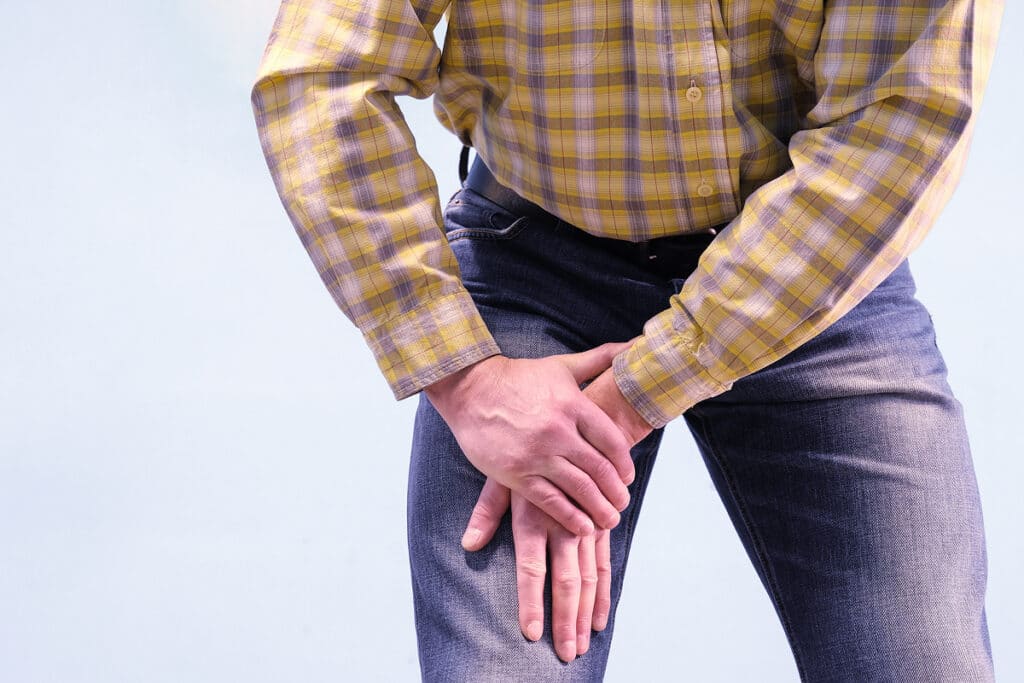
What Is Lumbar Radiculopathy?
Lumbar radiculopathy is the medical term for a set of symptoms caused by irritation or compression of a nerve root in the lower spine. Sciatica is the most common form of lumbar radiculopathy, named for the sciatic nerve that runs from the lower back through the hips and down each leg. In practice, “lumbar radiculopathy” and “sciatica” are often used interchangeably, though lumbar radiculopathy is the broader clinical term and sciatica specifically refers to irritation of the sciatic nerve.
Regardless of which term is used, the underlying issue is the same: something in the lower spine is pressing on or irritating a nerve, and the resulting pain follows that nerve’s path rather than staying confined to the back.

What Causes Lumbar Radiculopathy and Sciatica?
A number of conditions can compress or irritate the nerve roots in the lower back, including:
- Herniated disc: Disc material pushing against a nearby nerve root is one of the most common causes of sciatica. Our herniated disc page (/conditions/herniated-disc/) covers this condition and its herniated disc treatment options in more detail.
- Spinal stenosis: Narrowing of the spinal canal can crowd the nerve roots, especially with standing or walking.
- Bone spurs: Extra bone growth along the vertebrae can press on a nearby nerve.
- Degenerative disc disease: Discs that lose height and cushioning over time can lead to nerve irritation.
- Muscle or joint changes: Tight muscles or joint misalignment in the lower back can also compress a nerve root, causing pinched nerve lower back symptoms even without a structural disc issue.
Sciatica Symptoms to Watch For
Sciatica symptoms typically affect one side of the body and can include:
- Radiating pain: A sharp, burning, or aching pain that travels from the lower back through the buttock and down the leg.
- Numbness or tingling: A pins-and-needles sensation along the path of the sciatic nerve.
- Muscle weakness: Difficulty lifting the foot, standing on your toes, or bearing weight on the affected leg.
- Pain that worsens with sitting: Prolonged sitting, coughing, or sneezing can intensify symptoms.
- One-sided symptoms: Sciatica typically affects one leg at a time rather than both.
Non-Surgical Treatment Options for Sciatica Pain Relief
Most cases of lumbar radiculopathy respond well to non-surgical sciatica treatment, and sciatica pain relief usually starts with the least invasive options before moving to more targeted care. Summit Spine & Joint Centers builds each treatment plan around the specific cause and severity of your symptoms, and options may include:
- Physical therapy: Targeted exercises to relieve pressure on the nerve and build supportive strength in the low back and core.
- Medication management: Anti-inflammatory or nerve-pain medications to reduce inflammation and ease symptoms while other treatments take effect.
- Lumbar epidural steroid injections: An image-guided injection that delivers anti-inflammatory medication directly to the irritated nerve root. Learn more on our lumbar epidural steroid injection page (/treatments/lumbar-epidural-steroid-injection/).
- Activity modification: Short-term adjustments to movement and posture to reduce nerve irritation while healing.
Most patients see meaningful improvement without surgery, and our physicians recommend the combination of treatments best suited to your diagnosis.
Sciatica Stretches and Exercises for Relief
Gentle sciatica stretches and exercises can relieve pressure on the sciatic nerve and support recovery alongside professional treatment. Always check with your physician before starting a new stretching or exercise routine, especially if your symptoms are severe. Commonly recommended options include:
- Knee-to-chest stretch: Gently pulling one knee toward the chest while lying on your back to release tension in the lower spine.
- Piriformis stretch: Crossing one ankle over the opposite knee and leaning forward to stretch the muscle that can irritate the sciatic nerve.
- Seated spinal twist: A gentle rotation of the lower back while seated to improve mobility.
- Low-impact walking: Short, regular walks to keep the spine moving without added strain.
These sciatica exercises work best as part of a broader plan built by your physician, since the right stretch depends on the specific cause of your radiculopathy.
When to See a Specialist
Occasional mild back or leg discomfort often improves with rest, but you should see a specialist if pain radiates below the knee, lasts longer than a few weeks, or is accompanied by numbness, weakness, or difficulty controlling your bladder or bowels, which can signal a more serious nerve issue requiring prompt evaluation. Early evaluation gives your physician the clearest picture of what is causing your symptoms and helps prevent a manageable issue from becoming a long-term source of pain.
Why Choose Summit Spine & Joint Centers
Patients need a physician who understands both the clinical and practical sides of recovery. Summit Spine & Joint Centers offers:
- Board-certified physicians with fellowship training in image-guided spine and pain procedures.
- Non-surgical treatment options to address pain at its source.
- Multiple locations in Georgia, North Carolina, South Carolina, and Tennessee.
- Personalized care plans built around your diagnosis and recovery goals.
- Advanced diagnostic imaging and image-guided procedures available under one practice.
- Same-day appointments available in many cases, so care is not delayed.
Find Lasting Sciatica Pain Relief
Don’t let radiating back and leg pain limit your day. Schedule an evaluation with Summit Spine & Joint Centers and get a treatment plan built around your diagnosis.
Frequently Asked Questions
Lumbar radiculopathy is the broader medical term for nerve root irritation in the lower back, while sciatica specifically refers to irritation of the sciatic nerve, the most common form of lumbar radiculopathy. The two terms are often used interchangeably.
The most effective treatment addresses the underlying cause of the nerve compression rather than just the symptoms. For most patients, that means a combination of physical therapy, medication management, and, when needed, an image-guided injection.
Gentle stretches can help many patients, but the right stretch depends on the cause and severity of your symptoms. Check with your physician before starting a new routine, especially if your pain is severe.
See a physician if pain radiates below the knee, lasts more than a few weeks, or comes with numbness, weakness, or bladder or bowel changes, since these can signal a more serious issue.