Be seen today  844-972-7752

Pain Management Options for Seniors

Chronic pain can afflict people of all ages, but disproportionately affects seniors and elderly individuals, often severely impacting their quality of life. While medications are commonly prescribed for pain relief, they often come with their own set of drawbacks such as side effects and potential interactions with other drugs. Another typical treatment, physical therapy, may not work for all conditions and can be especially challenging as we age. This article focuses on non-medicinal and non-surgical pain treatments for managing chronic conditions in the senior population.

A multi-modal and individualized approach is often the most effective way to manage chronic pain in elderly patients, and the involvement of the patient in deciding the treatment plan is crucial. Consulting with a pain center physician is the best way to access a wide array of treatments. The choice of treatment should be individualized, considering the type, location, and severity of pain, as well as the patient’s medical history, lifestyle, and preferences. Regular consultations and follow-ups with a pain management physician are important to monitor progress and adjust treatments as needed.

Here are several treatment options that pain center physicians may offer apart from physical therapy:

Pain Management Options for Seniors

Interventional Procedures

  • Nerve Blocks: Injection of anesthetic directly to a nerve to block pain signals.
  • Epidural Steroid Injections: To reduce inflammation around the spinal nerves.
  • Radiofrequency Ablation: Uses radio waves to reduce nerve pain.
  • Joint Injections: For arthritis-related pain.

External Stimulation Therapies

  • Transcutaneous Electrical Nerve Stimulation (TENS): For modulating pain perception.
  • Ultrasound Therapy: Can be used for pain and inflammation.

Neurostimulation

  • Spinal Cord Stimulation (SCS): Involves implanting a device to send electrical signals to the spinal cord to block pain signals.

Stem Cell & PRP Therapy

  • Stem cell therapy leverages this power by promoting tissue repair at sites affected by injury or disease, such as degenerative disc conditions or osteoarthritis.  
  • Platelet-rich plasma (PRP) injections use a patient’s own blood cells, which are reinjected to accelerate healing in a specific area.

Medication Management

  • Non-Opioid Analgesics: Such as acetaminophen or NSAIDs.
  • Opioid Analgesics: Prescribed cautiously due to the risk of dependence and side effects.
  • Antidepressants and Anticonvulsants: For neuropathic pain.
  • Topical Analgesics: Such as lidocaine or capsaicin creams.

Assistive Devices

  • Orthotic Devices: Such as braces or shoe inserts, to support and align limbs.
  • Mobility Aids: Like canes, walkers, or wheelchairs to help in moving around.

Patient Education

  • Education on Pain Management: Knowledge about pain mechanisms and management strategies.
  • Self-Management Programs: Empowering patients with skills and strategies to manage their pain.

Physical Therapy

  • Individualized Physical Therapy: A personalized physical therapy program, designed by a qualified physical therapist, can target specific issues causing pain. 
  • Hydrotherapy: Hydrotherapy involves the use of water for pain relief and treatment. 
  • Occupational Therapy: Occupational therapy focuses on helping seniors perform daily activities without aggravating their pain. 
  • Massage: Therapeutic massage focuses on manipulating soft tissue to improve circulation and relieve pain.

Nutritional and Dietary Approaches

A diet rich in anti-inflammatory foods can play a supportive role in managing joint pain. Foods such as berries, green leafy vegetables, and fatty fish rich in omega-3s can be beneficial. Hydration is also an important factor. Keeping the body adequately hydrated is essential for joint health. Water is crucial for nearly every bodily function, including the production of synovial fluid, which lubricates the joints.

Lifestyle Changes

Some of the most effective ways to manage or avoid joint pain come with the way we live our lives every day. One important factor is weight management. Excess body weight can exacerbate joint pain, particularly in weight-bearing joints like the knees and hips. Even modest weight loss can significantly reduce the stress on these joints, leading to less pain.

Stress and anxiety can also heighten the perception of pain. Techniques such as meditation and mindfulness can help individuals become aware of their bodies and potentially lower their experience of pain.

Seeking Medical Help for Pain

While pharmacological regimens remain a common route for treating chronic pain, their potential drawbacks make it important to explore alternative options.  Our experienced pain specialists can help a comprehensive, tailored plan to manage your specific condition. Through an integrated approach using innovative treatments including regenerative medicine, it is indeed possible to significantly mitigate pain and improve the quality of life.  Call Summit Spine & Joint Centers today at (844) 972-7752 to schedule your consultation with our pain management specialists. We now have 26 convenient locations available in Georgia including our featured new location for Pain Management in Newnan, GA.

Understanding Primary vs. Secondary Chronic Pain

Pain is a complex and deeply personal experience, one that we’ve all felt at some point in our lives. But for some, pain persists longer than it should, evolving into what is termed “chronic pain.” This can be further divided into two main categories: Primary and Secondary Chronic Pain. If you or a loved one experiences chronic pain, understanding these classifications can shed light on your situation, enabling better communication with your healthcare providers and enhancing the effectiveness of your treatment plan.

What is Chronic Pain? 

Before delving into the specifics, let’s clarify what chronic pain is. Chronic pain is pain that lasts longer than 12 weeks, surpassing the expected healing period. It might be consistent or intermittent, and it can range from mild to excruciating. While acute pain is a normal bodily response to potential harm or injury, chronic pain persists, becoming a health issue in and of itself.

Primary Chronic Pain

Primary chronic pain is a pain unto itself. It isn’t the result of another disease or an injury, but rather, it is the main problem. One of the hallmarks of primary chronic pain is that it doesn’t have a clear-cut source and may even be general pain throughout the body. After extensive medical examinations, if a specific cause for the pain isn’t identified, it might be classified as primary. For example, fibromyalgia, a condition where individuals feel pain throughout their bodies without an apparent cause, is a classic example of primary chronic pain. Other examples include some types of chronic low-back pain, chronic pelvic pain, and some types of headache.

Primary chronic pain can impact various facets of a person’s life. It might limit physical activities, hamper social interactions, or affect mental well-being. Often, its unpredictability adds another layer of challenge, as patients might not know when a flare-up might occur.

Secondary Chronic Pain

Secondary chronic pain, on the other hand, is a result of another condition or injury. This pain is secondary because its presence can be linked directly to a specific cause. This type of pain is directly related to a known medical condition or injury. Once the condition is treated or managed, the pain typically decreases or goes away.

If someone has osteoarthritis (a degenerative joint disease) and feels chronic pain as a result, that pain is secondary to the disease. Similarly, pain resulting from nerve damage (neuropathic pain) after an injury, or pain linked to inflammation like in rheumatoid arthritis, are other examples of secondary chronic pain.

Since secondary chronic pain is linked to another condition, individuals might experience other symptoms related to that condition. For instance, a person with rheumatoid arthritis might feel pain (secondary chronic pain) but also experience joint swelling and stiffness.

Why Does the Distinction Matter?

If you are suffering chronic pain you might not care about its source. But the differences in primary vs. secondary chronic pain are important for three main reasons:

  1. Treatment Approaches: The approach to managing and treating primary vs. secondary chronic pain can differ significantly. For primary chronic pain, the focus might be more on pain management strategies since there isn’t an underlying condition to treat. This might include a combination of medications, physiotherapy, cognitive-behavioral therapy, and lifestyle adjustments. For secondary chronic pain, the treatment will likely address the underlying condition, which in turn should alleviate the pain.
  2. Diagnostic Process: Recognizing the type of pain can streamline the diagnostic process. If a patient presents with symptoms of a known condition (like osteoarthritis), and they complain of pain, the physician can make a quicker link between the two. However, if there’s no apparent cause, understanding primary chronic pain can prevent unnecessary investigations and lead to quicker pain management solutions.
  3. Setting Expectations: Understanding whether one’s pain is primary or secondary can help set realistic expectations. It allows patients to have a clearer picture of their journey ahead – whether it’s focused on managing pain or treating an underlying condition.

Living with chronic pain can be an overwhelming experience, but understanding its nature can empower patients in their healthcare journey. Whether it’s primary or secondary, recognizing the nuances of chronic pain can lead to better treatment plans, more effective communication with healthcare providers, and an overall improved quality of life.

We Are Here to Help Alleviate Chronic Pain

Always remember, if you’re experiencing persistent pain, it is essential that you consult with a medical professional. Every individual’s pain experience is unique, and only a comprehensive evaluation can offer insights tailored to your specific situation. Summit Spine & Joint has multiple pain management locations where our pain specialists can help alleviate your suffering. Please contact us to schedule a consultation with one of our pain specialists to discuss your specific situation.  We now have 28 convenient locations available in Georgia including our featured new location for Pain Management in Newnan, GA.

Dealing with Chronic Pain in Children and Teens

Chronic pain is often considered an adult affliction, but this overlooks a significant number of children and teenagers who suffer from ongoing chronic pain conditions. These younger populations are sometimes underserved, primarily because their pain can be overlooked or misunderstood. Children may not have the vocabulary to articulate their pain accurately, and teenagers may be dismissed as “attention-seeking.” Yet, chronic pain in these age groups is real, impactful, and in need of effective intervention.

Common Types of Chronic Pain in Children and Teens

  • Musculoskeletal Pain:  Musculoskeletal issues, including back pain and joint pain, are common among teenagers, particularly those engaged in sports or physical activities. Repetitive strain injuries can lead to chronic conditions that may affect their performance and daily lives. 
  • Neuropathic Pain: Conditions such as complex regional pain syndrome (CRPS) or nerve injuries can lead to chronic neuropathic pain. Though rare, when it occurs, it is incredibly challenging to manage and requires a multidisciplinary approach.
  • Amplified Musculoskeletal Pain Syndrome (AMPS): In this condition, children experience extreme pain, often in the limbs, due to an abnormal amplification of nerve signals. It is more common in girls and usually requires an intensive, multidisciplinary treatment approach.
  • Headaches and Migraines: Chronic headaches, including migraines, are another common issue affecting children and teens. Stress, lack of sleep, and hormonal changes can all contribute to the prevalence of headaches in this age group.

Diagnosis Challenges

The diagnosis of chronic pain in children and teenagers involves not only identifying the origin and character of the pain but also recognizing the influence of psychological, social, and environmental factors. Children, especially younger ones, may not be able to communicate their symptoms clearly, making diagnosis difficult.

Clinical evaluation, imaging studies, and other diagnostic tests must be combined with an understanding of the developmental stage of the child. Pediatric pain scales, such as the Wong-Baker Faces Pain Scale, may be employed to gauge pain intensity more effectively.


Chronic Pain in Children and Teens
 

Treatment of Chronic Pain  in Younger Patients

  • Pharmacological Treatment: Over-the-counter pain relievers like acetaminophen and ibuprofen are usually the first line of treatment. For severe cases, opioids may be prescribed with caution due to the potential for addiction and other side effects.
  • Physical Therapy: Physical therapy aims at improving mobility and strength, which can subsequently alleviate pain. It is particularly effective for musculoskeletal and post-injury pain.
  • Psychological Interventions: Cognitive-behavioral therapy (CBT) is effective in helping children manage the emotional aspects of pain. Mindfulness techniques and biofeedback are also gaining traction.
  • Interventional Pain Management: A medical specialty typically involving a pain management clinic that focuses on the diagnosis and treatment of chronic pain conditions using minimally invasive procedures and techniques like RFA, Discography and Epidural Injections. It aims to alleviate pain and improve a patient’s quality of life by targeting the source of pain and promoting functional recovery.
  • Multidisciplinary Programs: For conditions like AMPS, a comprehensive, multidisciplinary approach involving physical therapists, psychologists, and medical specialists is often the most effective treatment plan.

The Importance of Family Support

The family plays a critical role in a child’s pain management journey. Parental attitudes towards pain, methods of coping, and emotional support can significantly impact how a child experiences and deals with chronic pain. Active family involvement in treatment programs often leads to better outcomes.

Chronic pain in children and teens is an urgent healthcare issue that demands specialized care. By recognizing the unique challenges and types of chronic pain that affect young people, we can better diagnose, treat, and manage these conditions. With early intervention and a multidisciplinary approach, we can offer our young patients a chance for a healthier, less painful future.

Is Your Child Experiencing Pain? Contact Summit Spine & Joint Centers for Pain Management

Our experienced pain specialists can help relieve your child’s pain so they enjoy life again.Call Summit Spine & Joint Centers today at (844) 972-7752 to schedule a consultation with our pain specialists. We now have 26 convenient locations available in Georgia including our featured new location for Pain Management in Newnan, GA.

This article is meant for informational purposes only and should not be considered a substitute for professional medical advice, diagnosis, or treatment. Always seek the advice of your physician or other qualified health provider with any questions you may have regarding a medical condition.

How Long Do Pinched Nerves Last?

The pain care specialists at Summit Spine & Joint Centers encounter countless questions regarding nerve pain and discomfort. Among the most common is: how long do pinched nerves last? Another frequent query is whether pinched nerves can be permanent. Let’s take a closhttps://summitspine.com/conditions/er look at these topics to bring some clarity.

What is a Pinched Nerve?

Let’s start with the basics. A pinched nerve, or nerve compression, happens when excessive pressure is applied to a nerve by surrounding tissues – such as bones, cartilage, muscles, or tendons. This pressure disrupts the nerve’s function, leading to pain, tingling, numbness, or muscle weakness.

Pinched nerves can occur anywhere in the body but are most common in the neck (cervical spine), lower back (lumbar spine), and the carpal tunnel of the wrist.

Typical Duration of a Pinched Nerve

Most people with a pinched nerve can expect their symptoms to improve within several days to a few weeks. However, the duration can vary based on:

  • Cause: Repetitive activities or certain body positions might exacerbate the nerve compression. For instance, carpal tunnel syndrome due to repetitive wrist motions may take longer to heal than a pinched nerve from a single instance of lifting a heavy object.
  • Severity: Mild compression might resolve faster than severe compression or if there’s any damage to the nerve itself.
  • Underlying Conditions: Some medical conditions like rheumatoid arthritis or diabetes can complicate or prolong nerve compression.
  • Age: As we grow older, our body’s healing mechanisms can slow down. Consequently, older adults might experience longer recovery times.
  • Treatment: Seeking appropriate medical attention promptly and adhering to the recommended treatment can significantly reduce the duration of symptoms.

Can Pinched Nerves Become Permanent?

In most cases, a pinched nerve is a temporary inconvenience. However, if left untreated, it’s possible for the nerve compression to cause permanent damage. Here’s why:

  • Chronic Compression: Prolonged pressure on a nerve can lead to chronic inflammation. Over time, this can cause scarring, which might permanently affect the nerve’s function.
  • Decreased Blood Flow: The ongoing pressure might reduce blood flow to the nerve, depriving it of essential nutrients and oxygen. Without these, nerve cells can become permanently damaged.
  • Direct Nerve Damage: In severe cases, the compression can damage the nerve’s protective barrier. This may affect the nerve’s ability to send signals efficiently.

To minimize the risk of permanent damage, it’s essential to seek medical attention if you suspect a pinched nerve, especially if the symptoms persist or are severe.

Prevention is the Key

While some causes of pinched nerves are unavoidable, you can take steps to minimize your risk:

  • Maintain good posture.
  • Engage in regular exercise to strengthen muscles.
  • Use ergonomic equipment at work.
  • Lift heavy objects properly by using your legs and not your back.
  • Take breaks from repetitive tasks.

Summit Spine & Joint Offers Relief from Pinched Nerves

Pinched nerves can be incredibly uncomfortable, but with proper care and attention, most people find relief within weeks. While permanent damage is rare, it’s essential to address any persistent or severe symptoms promptly. Always consult with a healthcare professional for accurate diagnosis and treatment. Remember, early intervention and a proactive approach to your health can make all the difference. We have specialists at multiple pain management locations who are ready to help you. Please contact us to schedule a consultation at one of our 28 convenient locations available in Georgia including our featured new location for Pain Management in Newnan, GA.

New Year, New Hope: Managing Chronic Pain in 2024

As pain management physicians, we witness firsthand the daily struggles of individuals living with chronic pain. It’s a thief of joy, stealing precious moments and impacting every aspect of life. But with a new year dawning, there’s no better time than now to reclaim your well-being and make chronic pain management a top priority. So, let’s ditch the generic resolutions and focus on achievable goals that can bring real, lasting change.

  • Embrace Movement, But Move Smart: Exercise is often touted as the ultimate pain panacea, but for those with chronic pain, aggressive workouts can backfire. Instead, prioritize gentle, low-impact activities that strengthen muscles, improve flexibility, and boost endorphins without exacerbating pain. Yoga, tai chi, swimming, and walking are excellent options. Remember, consistency is key. Start small, aim for 20-30 minutes most days, and gradually increase intensity and duration as you progress.
  • Befriend Mindfulness: Chronic pain is often intertwined with stress and anxiety, which can amplify pain perception. Mindfulness practices like deep breathing, meditation, and guided imagery can help break this cycle. These techniques promote relaxation, reduce stress hormones, and boost your ability to cope with pain. There are countless apps and online resources to guide you, so find what resonates with you and make it a daily ritual.
  • Fuel Your Body, Optimize Your Health: Food is powerful medicine, and what you eat can significantly impact your pain levels. Prioritize anti-inflammatory foods like fruits, vegetables, whole grains, and healthy fats. Limit processed foods, sugary drinks, and excessive red meat, as these can contribute to inflammation and worsen pain. Remember, staying hydrated is crucial for overall health and pain management. Aim for 8-10 glasses of water daily.
  • Sleep: Your Pain-Relieving Superpower: When you’re in pain, sleep becomes elusive, but it’s vital for both physical and mental recovery. Prioritize good sleep hygiene by establishing a regular sleep schedule, creating a relaxing bedtime routine, and avoiding screens before bed. If pain keeps you awake, talk to your doctor about pain management strategies that won’t disrupt sleep.
  • Build Your Support System: Chronic pain conditions can feel isolating, but you don’t have to go through it alone. Connect with family and friends who offer emotional support and practical help. Consider joining a chronic pain support group to connect with others who understand your challenges and share coping strategies. Remember, asking for help is a sign of strength, not weakness.
  • Embrace the Power of Technology: Pain management is embracing the digital age! Wearable devices can track your pain levels, sleep patterns, and activity, providing valuable insights and helping you identify triggers. Telehealth appointments offer convenient access to pain specialists, while pain management apps can guide you through relaxation techniques, mindfulness exercises, and pain journaling.
  • Explore the Frontiers of Treatment: The field of pain management is constantly evolving, offering new hope for those living with chronic pain. Minimally invasive procedures like nerve blocks and radiofrequency ablation can target specific pain generators. Non-opioid medications are gaining traction, offering effective pain relief with fewer side effects. And research into regenerative medicine holds promise for long-term pain relief by promoting tissue healing.

Remember, chronic pain management is a journey, not a destination. There will be ups and downs, but with these tips and a positive mindset, you can navigate the challenges and reclaim your life.

And finally, a word of encouragement: You are not alone. Millions around the world share your struggle, and countless resources are available to support you. So, embrace the possibilities this new year brings, prioritize your well-being, and take control of your chronic pain. You deserve to live a life filled with joy, hope, and vibrant health and the health professionals of Summit Spine & Joint Centers are here to help. Call us at (844) 972-7752 for an appointment at any of our 28 locations including our featured new location for Pain Management in Augusta, GA.

How the Gate Control Theory Can Unlock Chronic Pain Relief

Table of Contents

Why Your Pain Might Not Be What You Think

If you’re living with chronic pain, you’ve probably wondered why some days hurt more than others, even when you haven’t done anything different. Or why your pain seems worse when you’re stressed or sad. Maybe you’ve noticed that when you’re distracted or happy, your pain fades into the background.

You’re not imagining these changes. There’s actual science behind why your pain varies, and understanding it can give you real power to influence your own pain levels.

Back in 1965, two researchers named Ronald Melzack and Patrick Wall discovered something revolutionary: your pain isn’t just a simple alarm system. Instead, your body has “gates” that can make pain stronger or weaker before it even reaches your brain. This discovery, called the Gate Control Theory, explains why you have more control over your pain than you might realize.

The best part? Once you understand how these pain gates work, you can learn specific techniques to help close them and reduce your pain naturally.

How Your Body Actually Processes Pain

Let’s start with what happens when you feel pain. It’s not as straightforward as you might think.

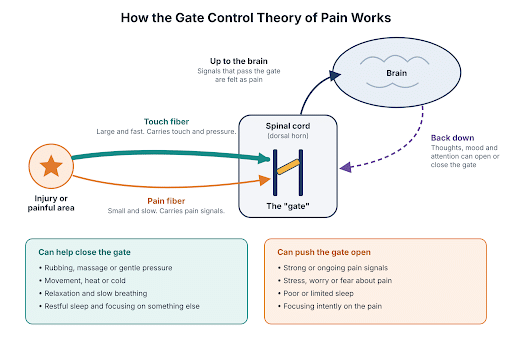
When something hurts – say you stub your toe – pain signals travel from that spot up through your nervous system toward your brain. But here’s the key: these signals don’t go straight to your brain like a direct phone call. Instead, they have to pass through a “checkpoint” in your spinal cord first.

Think of this checkpoint like a busy train station. Pain messages are like passengers trying to board a train to your brain. But not all passengers get on the train; there’s a gatekeeper who decides who gets through and who has to wait.

Your brain isn’t just passively receiving pain signals either. It’s actively involved in deciding how much pain you actually feel. Your brain considers what you’re thinking about, how you are feeling emotionally, your past experiences with pain, what’s happening around you, your stress level, and whether you feel safe and supported.

This is why two people with the exact same injury can have completely different pain experiences. Their “gates” are working differently.

The “Gates” in Your Spinal Cord That Control Pain

Now let’s talk about these mysterious gates. In your spinal cord, you have different types of nerve fibers carrying different messages to your brain.

First, there are what we might call the “express lane” nerves. These are large, fast nerve fibers that carry messages about touch, pressure, and movement. When these nerves are active, they can block pain messages from getting through, like helpful security guards who can stop troublemakers from entering a building. This explains why rubbing a sore spot makes it feel better, or why a massage can reduce your pain. You’re activating these “good” nerves that help close the pain gates.

Then there are the “pain highway” nerves. These are smaller, slower nerve fibers that specifically carry pain messages. When these are very active, they force the gates open, letting more pain through to your brain.

Here’s something amazing: your brain can actually send messages back down to these spinal cord gates, telling them to open or close. This means that your thoughts, emotions, and attention can literally change how much pain reaches your conscious awareness. When you’re anxious, depressed, or focusing intensely on your pain, your brain tends to open the gates wider. When you’re calm, distracted, or feeling positive, your brain helps close them.

What Opens and Closes Your Pain Gates

Understanding what influences your pain gates puts you in the driver’s seat. Here’s what research has shown about factors that close your pain gates and reduce pain:

  • Physical touch and movement like gentle massage, warm baths, light exercise, and stretching can all help.
  • Positive emotions such as laughter, feeling loved, hope, and accomplishment work to close the gates. Distraction through engaging conversations, hobbies, interesting activities, and music can be powerful.
  • Relaxation techniques including deep breathing, meditation, and listening to calming sounds make a difference.
  • Feeling supported by having people who understand and care about you helps tremendously.
  • Good sleep is crucial since your body’s natural pain-fighting chemicals work best when you’re well-rested.
  • Pleasant sensations from aromatherapy, soft textures, and beautiful surroundings can also help close those gates.

On the flip side, certain factors tend to open your pain gates and increase pain.

  • Stress and worry about financial concerns, relationship problems, or fear about the future can make pain worse.
  • Negative emotions including depression, anger, frustration, and hopelessness open the gates wider.
  • Focusing intensely on pain by constantly checking how much it hurts or worrying about it amplifies the experience. Isolation and feeling alone or misunderstood can increase pain levels.
  • Poor sleep makes everything hurt more, while inflammation from poor diet, illness, or ongoing tissue damage keeps the gates open.

The good news? Many of these factors are within your control to change.

Natural Ways to Close Your Pain Gates

Based on gate control science, here are proven techniques you can use to reduce your pain naturally.

  • Touch and movement therapies offer several options.
  • Heat and cold can be powerful tools, a warm bath can activate those “good” nerve fibers and promote relaxation, while cold packs can numb pain signals and reduce inflammation. Experiment to see what works best for you.
  • Gentle exercise is incredibly valuable because movement releases your body’s natural painkillers called endorphins and activates the nerve fibers that help close pain gates. Start small; even a short walk can make a difference.
  • TENS units are small, battery-powered devices that send gentle electrical pulses to your skin and are designed specifically to activate the nerve fibers that close pain gates. Many people find them surprisingly effective.
  • Massage, whether from a professional or a loved one, stimulates touch receptors and promotes relaxation. Even self-massage can help.

Working with your emotions is equally important. Understanding pain itself – learning about how pain works like you’re doing right now – has been shown to reduce pain for many people. When pain feels less mysterious and threatening, your brain is less likely to amplify it. Stress management is crucial since stress opens pain gates, so anything that reduces stress can help. This may include consulting a counselor, practicing relaxation techniques, or making lifestyle adjustments to manage daily stress. Building hope by having specific, achievable goals for your recovery and daily life gives your brain something positive to focus on besides pain.

Mind-Body Techniques That Really Work

Your brain’s ability to control pain gates means that mental techniques can be just as powerful as physical ones.

Mindfulness and meditation don’t require you to become an expert. Simple mindfulness practices, like focusing on your breathing or noticing pleasant sensations, can shift your brain away from pain-amplifying patterns. Studies show that just 8 weeks of mindfulness practice can literally change how your brain processes pain.

Distraction techniques work because when you’re absorbed in something interesting or enjoyable, your brain allocates less attention to processing pain signals. This isn’t just “taking your mind off it”—it’s actually changing how much pain gets through your spinal cord gates.

Visualization and imagery can be helpful for some people who find it useful to imagine their pain gates closing, or to visualize healing light or warmth flowing to painful areas. While this might sound “unscientific,” research shows these techniques can produce real, measurable changes in pain levels.

Biofeedback uses special devices that show you real-time information about your body’s stress responses, like muscle tension or heart rate. Learning to control these responses helps you influence your pain gates directly.

Building Your Personal Pain Relief Toolkit

Everyone’s pain is unique, so your toolkit should be personalized. Begin by identifying your specific pain triggers, such as stress, weather, physical activities, or certain emotions. Experiment with different gate-closing techniques and keep a simple pain diary to track what helps and what doesn’t. Focus on improving sleep and managing stress first, as these form the foundation for everything else.

Layer your approaches for maximum effectiveness. The most successful pain management combines multiple techniques: a physical component like movement, heat, or cold therapy, or TENS; an emotional component through stress management and social support; a mental component including mindfulness, distraction, and education; and a lifestyle component addressing sleep, nutrition, and pacing activities.

Be patient and persistent, as changing chronic pain patterns takes time. Your nervous system needs time to “learn” new, healthier responses. Most people start noticing improvements within 2-4 weeks of consistent practice, with more significant changes developing over 2-3 months.

Work with healthcare providers when possible. While self-management is powerful, you don’t have to do this alone. Pain specialists who understand gate control theory can help you develop a comprehensive plan that might include physical therapy designed around gate control principles, counseling to address emotional factors, medical treatments that work alongside your self-management efforts, and group programs where you can learn with others facing similar challenges.

What’s Coming Next in Pain Relief

The future of pain management is exciting. Researchers are developing smartphone apps that provide real-time biofeedback, virtual reality systems for pain distraction and relaxation, wearable devices that can detect when your pain gates are opening and automatically provide gate-closing stimulation, and personalized treatment programs based on your unique pain patterns.

But you don’t have to wait for these innovations. The techniques we understand now are already powerful tools for managing chronic pain.

Taking Your First Steps Toward Relief

If you’re ready to start working with your pain gates, here’s how to begin.

This week, try one gate-closing technique daily, such as deep breathing, gentle movement, or heat therapy. Notice what makes your pain better or worse, and aim for 7-8 hours of sleep each night.

This month, add a second technique to your daily routine and start a simple pain diary. Consider joining a support group or talking to a counselor, and schedule an appointment with a pain specialist who understands gate control approaches.

Remember that you have more control over your pain than you might think. Small, consistent changes can make a big difference over time. You don’t have to choose between self-management and medical treatment, as they work best together. Having some bad days doesn’t mean the techniques aren’t working.

Chronic pain is challenging, but it doesn’t have to control your life. By understanding how your pain gates work and learning to influence them, you can take back some control and find genuine relief.

You deserve to live with less pain and more joy. The science of gate control gives you the tools to make that possible.

Ready to learn more about gate control-based pain management? The specialists at Summit Spine & Joint Centers can help you develop a personalized plan that works with your body’s natural pain control systems. Call us at (844) 972-7752 to schedule an appointment at any of our locations in Georgia, South Carolina, North Carolina and Tennessee including our featured new location for Pain Management in Cartersville, GA.

10 Myths and Facts About Pain Care Medication

Pain management is a critical aspect of healthcare, helping millions of people worldwide. However, the use of pain medications is often surrounded by misconceptions and myths, leading to either the underutilization or misuse of these crucial therapies. Let’s address some of the common myths and present the facts about pain medications, helping patients and caregivers make informed decisions.

Myth 1: Pain Medication Always Leads to Addiction

Fact: While it’s true that certain pain medications, especially opioids, have the potential for addiction, this doesn’t mean that everyone who takes them will become addicted. Addiction involves complex brain changes and behaviors, including misuse of the medications and continuing use despite harmful consequences. Healthcare providers carefully assess patients’ pain and medical history, prescribing medications at the lowest effective dose and for the shortest duration necessary. Moreover, under proper medical supervision, the risk of developing an addiction can be significantly minimized.

Myth 2: If You Can Endure the Pain, It’s Better Not to Take Medication

Fact: Enduring pain without treatment can lead to several negative outcomes, including chronic pain, decreased quality of life, and the development of pain syndromes. Pain is a signal from the body that something is wrong and addressing it promptly can prevent further complications. Effective pain management is not about masking pain but rather about diagnosing and treating the underlying cause while improving the patient’s quality of life.

Myth 3: Over-the-Counter (OTC) Pain Relievers Are Completely Safe

Fact: Though OTC pain relievers are widely available and can be effective for managing pain, they are not without risks. For example, nonsteroidal anti-inflammatory drugs (NSAIDs) can increase the risk of gastrointestinal bleeding, kidney damage, and heart problems when not used as directed. Acetaminophen, another common OTC pain reliever, can cause liver damage if taken in excessive amounts. It’s important to follow the recommended dosages and consult a healthcare provider if you have any concerns or if your pain persists.

Myth 4: Higher Doses of Pain Medication Are Always More Effective

Fact: Pain management is highly individualized, and more medication does not necessarily mean better pain control. In fact, higher doses can increase the risk of side effects and complications without providing additional pain relief. Healthcare providers aim to find the “minimum effective dose” – the lowest dose that effectively controls pain without causing undue side effects.

Myth 5: Pain Medications Are the Only Solution for Pain Management

Fact: While medications play a crucial role in pain management, they are just one part of a comprehensive pain management plan. Other treatments, such as physical therapy, acupuncture, massage, biofeedback, and cognitive-behavioral therapy, can also be effective in managing pain. A multimodal approach, combining medications with other treatments, often provides the best outcomes for pain management.

Myth 6: All Pain Medications Have the Same Effect on Everyone

Fact: People respond to pain medications differently due to factors like genetics, the cause of the pain, concurrent medications, and personal health history. What works well for one person may not work for another, or it may cause side effects in others. This variability is why personalized pain management plans are essential and why adjustments may be necessary over time.

Myth 7: Using Pain Medication Means Giving Up on Finding the Cause of Pain

Fact: Effective pain management involves treating pain symptoms while also investigating and addressing the underlying cause. Use of pain medication is often a critical component that allows patients the comfort to participate in other therapies and diagnostics that can help identify and treat the source of their pain.

Myth 8: Pain Medication Should Completely Eliminate Pain

Fact:  While the goal of pain medication is to reduce pain, it may not always be possible to eliminate it entirely. The objective is to reduce pain to a level that allows individuals to perform daily activities and improve their quality of life. Complete elimination of pain is not always a realistic goal, and striving for zero pain can lead to over-medication and associated risks.

Myth 9: It’s Better to Wait Until Pain Is Severe Before Taking Medication

Fact: Waiting until pain becomes severe before taking medication can make pain more difficult to control. It is often more effective to manage pain early and maintain a consistent level of pain control. This approach can prevent the pain from escalating to a level that is more challenging to reduce.

Myth 10: Everyone Experiences Pain in the Same Way

Fact: Pain is a highly subjective experience, influenced by physical, emotional, and psychological factors. Two individuals with the same condition can experience pain very differently. Recognizing and respecting this individual variability is crucial in pain management, ensuring that each patient’s unique experience of pain is addressed appropriately.

Understanding the facts about pain medications is essential for effective pain management. It’s ihttps://summitspine.com/locations/cartersville/mportant to communicate openly with healthcare providers, ask questions, and express any concerns you may have. The first step is to consult with the pain management experts at Summit Spine & Joint Centers. Call us today to schedule an initial appointment to discuss your specific pain.  Schedule an appointment at any of our 28 locations in Georgia including our featured location this month for Pain Management in Athens, GA.

A Warning About “Do-It-Yourself” Back Pain Fixes

As back pain specialists, we have observed a rising trend in patients attempting do-it-yourself (DIY) solutions for back pain relief. While the desire to find quick and easy fixes is understandable, especially given the discomfort and disruption back pain causes in daily life, it is crucial to approach these remedies with caution. This article serves as a warning about the risks and limitations associated with DIY back pain fixes and underscores the importance of professional medical advice.

The Allure of DIY Solutions

In an era where information is just a click away, the internet has become a treasure trove of home remedies and DIY solutions for nearly every condition, including back pain. Social media platforms and forums are filled with tips ranging from stretching exercises to homemade concoctions. The appeal of these solutions is undeniable: they promise quick, cost-effective relief without the need to visit a healthcare provider.

The Risks of Self-Diagnosis and Treatment

Self-diagnosing and treating back pain can lead to a range of issues, some of which may exacerbate the problem rather than alleviate it. Here are several reasons why DIY back pain fixes can be more harmful than beneficial:

  • Misdiagnosis: Back pain can stem from a variety of causes, including muscle strain, herniated discs, spinal stenosis, osteoarthritis, and more. Each condition requires a specific treatment approach. Without a proper medical diagnosis, you may be treating the wrong problem, delaying effective treatment, and potentially causing further harm.
  • Inappropriate Treatments: Many DIY remedies lack scientific backing and may not be effective for back pain relief. Some treatments may even be harmful, leading to increased pain, injury, or other health complications.
  • Over-reliance on Quick Fixes: Quick fixes may provide temporary relief but often fail to address the underlying cause of back pain. This can lead to a cycle of chronic pain and dependency on ineffective treatments.
  • Neglecting Professional Care: Attempting DIY fixes can delay seeking professional medical advice and treatment, which can lead to worsening conditions and more complex problems in the long run.
A Warning About “Do-It-Yourself” Back Pain Fixes
 

Understanding the Limitations

It is important to recognize the limitations of DIY back pain solutions. While some home remedies and exercises can be part of a comprehensive treatment plan, they should not replace professional medical advice and intervention. Only a qualified healthcare professional can assess your condition accurately, recommend appropriate treatments, and monitor your progress. Seeking professional guidance from a healthcare provider specializing in pain management or musculoskeletal disorders, like those here at Summit Spine & Joint, offers several benefits:

  • Accurate Diagnosis: A professional can conduct a thorough assessment, including medical history, physical examination, and diagnostic tests, to identify the precise cause of your back pain.
  • Personalized Treatment Plan: Based on your diagnosis, a healthcare provider can develop a treatment plan tailored to your specific needs, which may include medication, physical therapy, exercises, lifestyle adjustments, or even surgery, if necessary.
  • Safe and Effective Treatments: Professionals can recommend evidence-based treatments that are safe and have been proven effective for back pain relief.
  • Monitoring and Adjustment: Your healthcare provider can monitor your progress and adjust your treatment plan as needed, ensuring that you are on the right path to recovery.

When DIY Might Be Appropriate

While this article serves as a caution against DIY back pain fixes, it’s worth noting that not all home remedies are off-limits. Some practices, such as gentle stretching, yoga, and applying heat or cold packs, can be beneficial when used correctly and as part of a broader treatment plan recommended by a healthcare professional.

Help Yourself with a Phone Call

Back pain can significantly impact your quality of life, and the desire for quick relief is understandable. However, the risks associated with DIY back pain fixes cannot be overlooked. Misdiagnosis, inappropriate treatments, and neglecting professional care can lead to worsened conditions and prolonged suffering. It is paramount to seek professional medical advice for an accurate diagnosis and a tailored, effective treatment plan. Schedule an appointment at any of our 30 locations in Georgia including our featured location this month for Pain Management in Columbus, GA.


What is “Text Neck” and How Can You Prevent It?

So-called “text neck” is a very common affliction affecting people who text on a phone or other device frequently. This condition is a result of the constant growth in the mobile user population, whereby flexing the head forward to text on a smartphone directly impacts the spine. It’s more common among children and teens who spend a majority of their day on smart phones.

Text neck is essentially a repetitive stress injury with the primary cause being excessive texting or mobile device use. It can be diagnosed by a doctor after performing a physical exam and taking the patient’s history.

When you tilt your head forward 15 degrees, this action places 27 pounds of force on your neck, according to Physiopedia. This increases to 40 lbs. at 30 degrees, 49 lbs. at 45 degrees and 60 lbs. at 60 degrees.

The damage caused by untreated text neck is akin to occupational overuse syndrome or repetitive stress and strain injuries.


Common Symptoms of Text Neck

Symptoms of this condition include:

  • Pain in the neck, upper back, or shoulder. This pain can be intense or stabbing, or it could be more like a general achiness and soreness over a broader region, such as from the bottom of the neck to the shoulders.
  • Rounded shoulders and forward head posture. Muscles in the chest, neck, and upper back may become imbalanced due to excessive periods of forward head posture.
  • Reduced mobility. You may experience tightness and reduced mobility in your neck, upper back, and shoulders.
  • Headaches. Muscles can spasm at the base of the neck, resulting in pain in the head. You may also experience eyestrain and headache.
  • Increased pain with neck flexion. Symptoms may worsen when your neck is flexed forward while glancing down and texting.
  • Radiating pain: Neck pain can radiate into the arms and shoulders.


Text Neck Treatment

Text neck can usually be treated at home without the need for invasive procedures. You can:

  • Do exercises and stretches to increase your neck’s strength and flexibility
  • Improve your postural habits when using your smartphone.
  • Raise the phone closer to eye level so you don’t have to tilt your head forward.
  • Take frequent breaks. Set reminders on your phone to put it down, do some stretches and take a break.
  • Stand up straight, tucking your chin in and pulling your shoulders back. This will ensure your body remains aligned in a neutral position.
  • Arch your neck and upper back backward every so often to alleviate muscle pain.
  • Exercise regularly: Teens can engage in low-impact team or endurance sports to keep neck pain at bay. People who have strong and flexible backs and necks are better able to handle extra stress.

Most times, text neck can be dealt with on your own. But for more persistent text neck pain, you can explore non-invasive treatments for pain, which can include medications, pain-relieving procedures and rehabilitation.

Contact Summit Spine and Joint Centers

To book a consultation to treat your “text neck” or other pain condition, contact us at (844) 972-7752 about visiting one of our 21 centers including our newest location for Pain Management in Stockbridge, GA. 


How to Tell Acute Pain From Chronic Pain

Pain is the way your body can signal that something has happened or that something may be wrong. When that pain happens rapidly and then starts to go away once the source is removed, that is called acute pain. If the pain lasts longer than a period of six months and you still feel that pain, even when the initial injury has been treated, this is known as chronic pain.

Acute Pain

Acute pain appears suddenly by something specific, and the pain is sharp. Acute pain is a “good” pain – it tells you that you have been hurt and is a normal reaction to an event. You feel acute pain when you break an ankle, hit your thumb with a hammer or put your hand on a hot stove top.

It does not last longer than a period of six months and goes away when the underlying cause is removed. Causes of acute pain can include:

  • Injuries
  • Surgery
  • Fractures
  • Dental work
  • Burns and cuts
  • Labor and childbirth

Yes, the pain is very real and very strong when it happens, but it does subside. Generally, once acute pain recedes you are able to move on with your life and live pain free.

Chronic Pain

Chronic pain is something you typically live with for a long time, perhaps even your whole life. Chronic pain is ongoing and lasts longer than six months. It often continues well after the initial injury or illness has been resolved. That’s because pain signals remain active for weeks, months or years in the nervous system. Some people even have chronic pain even when no past injury, illness or bodily damage has occurred.

More than 50 million Americans suffer from chronic pain, according to Healthline.

Chronic pain is associated with the following conditions:

  • Headaches
  • Arthritis
  • Cancer
  • Fibromyalgia
  • Nerve pain
  • Back pain

Stress impacts the body in many ways, and many stressors can result in physical and emotional conditions such as:

  • Tense muscles
  • Limited movement
  • Lack of energy
  • Changes in appetite
  • Depression
  • Anxiety
  • Anger
  • Fear of re-injury, which could limit the ability to engage in leisure activities, physical exercise or return to work.

Many people cannot work due to chronic pain, or miss several days a year from work. Researchers say the total value of lost productivity because of chronic pain in employees is about $300 billion annually. The most common sources of chronic pain include back, hip, knee, and foot pain.

Fibromyalgia is another common source of pain, with symptoms including exhaustion, depression, restless leg syndrome, irritable bowel syndrome, bladder problems, tingling and numbness, and sensitivity to lights, noise, or temperature.

Chronic pain differs from acute pain in that it doesn’t go away when the initial injury has healed. It can be present and affect your life for months, years or decades. But there are solutions, and they don’t all include invasive surgery.

Contact Summit Spine and Joint Centers

If you suffer from chronic pain that is interfering with your daily life, you may be a good candidate for one of our minimally invasive techniques. Call Summit Spine and Joint Centers today at (844) 972-7752 to make an appointment about visiting one of our 21 centers including our newest location for Pain Management in Stockbridge, GA. 


MEDIAL BRANCH BLOCK

Do you know what a medial branch block is?

A medial branch block is a treatment we perform at Summit Spine and Joint Centers to help with pain that has developed due to a damaged or inflamed facet joint in the spine. A facet joint is the bony structure that connects spinal vertebrae together. Facet joints help control the movement of the spine and provide extra support and stability for the vertebrae.

When you have a medial branch block, a local anesthetic such as lidocaine is injected into the medial nerve of the facet joint. Injecting the local anesthetic into the medial nerve helps healthcare providers diagnose back pain. If the injection relieves at least 50% of your usual back pain, your healthcare provider will likely confirm that the pain is coming from the facet joint and recommend radiofrequency ablation as treatment. Medial branch blocks are also used to diagnose sacroiliac joint pain.

For the full article click here

If you feel pain when you are bending, twisting or flexing, you may be a candidate for a medial branch block! Call us today to begin your pain free journey! (844) 972-7752


Ways to Treat Sciatica Without Surgery

Sciatica references the pain that travels along the sciatic nerve, which extends from your lower back through your buttocks and hips, and then down each leg. This condition usually only affects one side of the body. Sciatica most commonly arises in cases of herniated disks, bone spurs on the spine or spinal stenosis (a narrowing of the spine). All of these can compress parts of the nerve, leading to pain, inflammation, and sometimes numbness in your leg.

While sciatica can get quite painful, most times, you can feel relief with non-surgical treatments as well as physical therapy, chiropractic adjustments, massage therapy, exercises and cold therapy.

Common causes of sciatica can include:

  • Compressed Lumbar Disc, also known as lumbar radiculopathy, AKA sciatica
  • Lumbar Spinal Stenosis (caused by osteoarthritis and bulging discs)
  • Spondylolisthesis (caused by trauma to the spine)
  • Trauma to the gluteal area
  • Pregnancy

Here at Summit Spine and Joint Centers, we treat many acute and chronic pain conditions of the neck, joints and back, including sciatica, fibromyalgia, disc disease, and spinal stenosis using state-of-the-art, minimally-invasive techniques that help to restore function and ensure a higher quality of life.

It’s always wise to explore all non-surgical options before resorting to an operation as a last-ditch effort. Here are some ways sciatica can be treated without surgery.

How to Alleviate Sciatica

Mild cases of sciatica only need some rest and self-care treatments at home such as hot or cold ice packs. If your symptoms are lasting more than a week, or have resulted from an injury or trauma, see your doctor.

Here are some non-surgical options for sciatica pain treatment:

  • Exercise: Because inflammation improves when you stay active, taking short walks can help.
  • Limited bed rest: Sleep on a firm mattress and stay mostly in bed for a few days to see if that helps.
  • Hot and cold packs: Apply to the lower back, on and off, a few times a day. Do cold packs first for a couple of days, then switch to heat packs.
  • Alternative therapies: Yoga, massage, biofeedback, acupuncture
  • Medication: You can take over-the-counter pain relievers such as acetaminophen and NSAIDS such as ibuprofen and naproxen but don’t use for a long period of time without discussing it with your doctor.
  • Physical therapy: PTs can come up with an exercise and stretching routine to improve posture and relieve pressure on the sciatic nerve.
  • Stretches: Do lower-back stretches every day.
  • Non-surgical procedures: These include Lumbar Epidural Steroid Injection, designed to relieve lower back and radiating leg pain. Steroids reduce the swelling and inflammation caused by a variety of spinal conditions.

Surgery isn’t the only option when it comes to sciatica and other spinal pain. Trying non-invasive techniques first can save you a lot of time, money and post-surgical issues.

Contact Summit Spine and Joint Centers

To book a consultation on how to treat your painful sciatica without undergoing invasive surgery,  Call us today at (844) 972-7752 and make an appointment to visit one our 22 pain centers including our featured location in July for Pain Management in Roswell, GA. 


REQUEST YOUR NEW PATIENT APPOINTMENT