Be seen today  844-972-7752

7 Hand Exercises to Ease Arthritis Pain

7 Hand Exercises to Ease Arthritis PainImprove the function of arthritic hands with these seven easy, anytime exercises.

Part 1 of 9: Overview

Painful Hands

Arthritis wears away at the cartilage and synovial lining of a joint, which is the cushioning material between bones. When arthritis affects the joints of the hands, it can cause pain and stiffness. That pain can get worse whenever you use the hand a lot—for example, when typing on a computer keyboard or gripping utensils in the kitchen. You may also lose strength in your hands. Weakness in your hands can make it hard to do even the simplest everyday tasks, such as opening jars.

Part 2 of 9: Treatments

Treating Hand Arthritis

There are some medicinal options for treating hand arthritis. You can take pain-relieving medicines by mouth. There are also injections of steroid medicines to decrease swelling in the joints, and splinting to support and protect your hands. If these options don’t work, you may need to have surgery to fix the damaged joint.

As far as home treatments: one easy and noninvasive way to keep the joints flexible, improve range of motion, and relieve arthritis pain is by doing hand exercises.

Part 3 of 9: Make a Fist

Exercise #1: Make a Fist

Exercise #1: Make A Fist
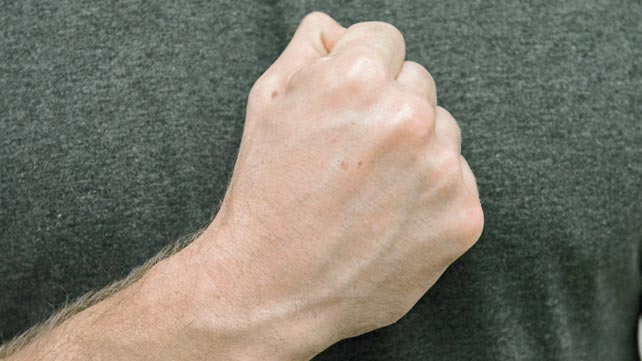
You can do this easy exercise anywhere, and any time your hand feels stiff. Start by holding your left hand up straight. Then, slowly bend your hand into a fist, placing your thumb on the outside of your hand. Be gentle—don’t squeeze your hand. Open your hand back up until your fingers are straight once again. Do the exercise 10 times with the left hand. Then repeat the whole sequence with the right hand.

Part 4 of 9: Finger Bends

Exercise #2: Finger Bends

Exercise #2: Finger Bends
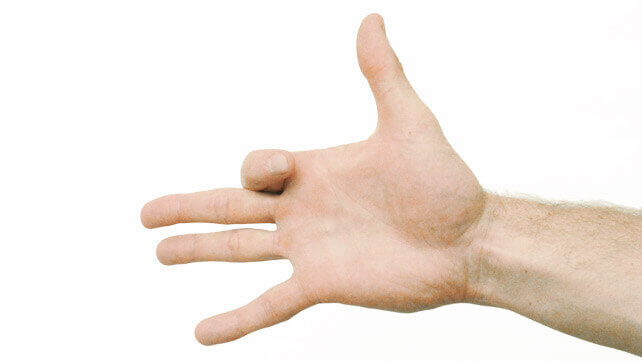
Start in the same position as in the last exercise, with your left hand held up straight. Bend your thumb down toward your palm. Hold it for a couple of seconds. Straighten your thumb back up. Then bend your index finger down toward your palm. Hold it for a couple of seconds. Then straighten it. Repeat with each finger on the left hand. Then repeat the entire sequence on the right hand.

Part 5 of 9: Thumb Bend

Exercise #3: Thumb Bend

Exercise #3: Thumb Bend
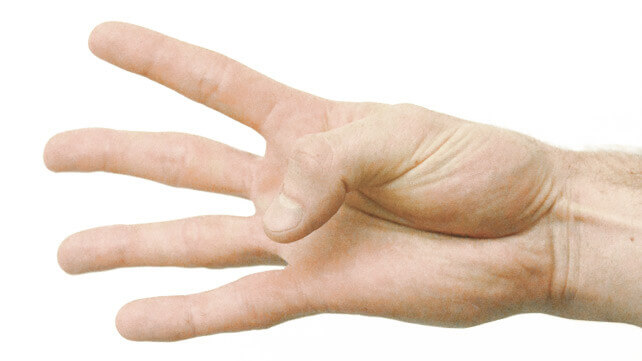
First, hold your left hand up straight. Then, bend your thumb inward toward your palm. Stretch for the bottom of your pinky finger with your thumb. If you can’t reach your pinky, don’t worry. Just stretch your thumb as far as you can. Hold the position for a second or two, and then return your thumb to the starting position. Repeat 10 times. Then do the exercise with your right hand.

Part 6 of 9: Make an O

Exercise #4: Make an “O”

Exercise #4: Make An “O”
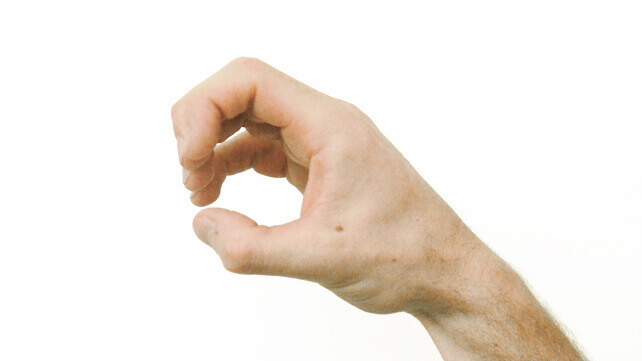
Start with your left hand pointing straight up. Then, curve all of your fingers inward until they touch. Your fingers should form the shape of an “O.” Hold this position for a few seconds. Then straighten your fingers again. Repeat this exercise a few times a day on each hand. You can do this stretch whenever your hands feel achy or stiff.

Part 7 of 9: Table Bend

Exercise #5: Table Bend

Exercise #5: Table Bend
Place the pinky-side edge of your left hand on a table, with your thumb pointed up. Holding your thumb in the same position, bend the other four fingers inward until your hand makes an “L” shape. Hold it for a couple of seconds, and then straighten your fingers to move them back into the starting position. Repeat 10 times, and then do the same sequence on the right hand.

Part 8 of 9: Finger Lift

Exercise #6: Finger Lift

Exercise #6: Finger Lift
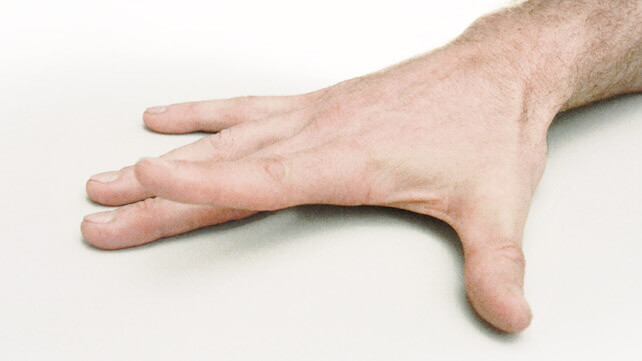
Place your left hand flat on a table, palm down. Starting with your thumb, lift each finger slowly off the table—one at a time. Hold each finger for a second or two, and then lower it. Do the same exercise with every finger of the left hand. After you’re done with the left hand, repeat the entire sequence on the right hand.

Part 9 of 9: Wrist Stretch

Exercise #7: Wrist Stretch

7 Hand Exercises to Ease Arthritis Pain
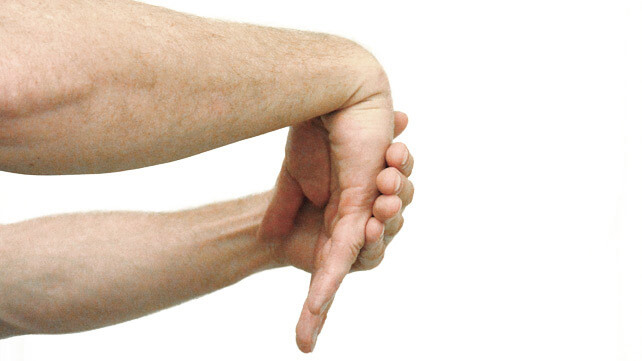
Don’t forget about your wrists, which can also get sore and stiff from arthritis. To exercise your wrist, hold your right arm out with the palm facing down. With your left hand, gently press down on the right hand until you feel a stretch in your wrist and arm. Hold the position for a few seconds. Repeat 10 times. Then, do the entire sequence with the left hand.

What is CRPS?

Complex Regional Pain Syndrome, CRPS, formerly known as RSD Reflex Sympathetic Dystrophy, is a progressive disease of the Autonomic Nervous System, and more specifically, the Sympathetic Nervous System. The pain is characterized as constant, extremely intense, and out of proportion to the original injury. The pain is typically accompanied by swelling, skin changes, extreme sensitivity, and can often be debilitating. It usually affects one or more of the four limbs but can occur in any part of the body and in over 70% of the victims it spreads to additional areas.

CRPS is ranked as the most painful form of chronic pain that exists today by the McGill Pain Index.

CRPS MAIN SYMPTOMS 

There are FOUR Main Symptoms/Criteria of CRPS:

  1. Constant chronic burning pain – The pain, which is usually significantly greater than the original event/injury;  though the affected area may feel cold to the touch to the patient it feels as though it is literally on fire; and is ranked as the most painful form of chronic pain today by the McGILL Pain Index. This symptom also includes allodynia which is an extreme sensitivity to touch, sound, temperature, and vibration.
  2. Inflammation – this can affect the appearance of the skin, bruising, mottling, tiny red spots, shiny, purplish look; as well as affect the skin temperature of the affected area, cause excessive sweating, etc.
  3. Spasms – in blood vessels (vasoconstriction) and muscles (sometimes referred to as rolling spasms) of the extremities.
  4. Insomnia/Emotional Disturbance – includes the major changes to the limbic system such as short-term memory problems, concentration difficulties, sleep disturbances, confusion, etc.

There are a great many additional symptoms that can also occur over the course of the disease. Not every patient will have all of the symptoms and the symptoms may change over time due to the stage the patient is in, the medications the patient is on, the treatments the patient is receiving, and even such things as time of day/month/season, and whether or not she/he is currently under excess stress! (see ADDITIONAL CRPS SYMPTOMS HERE)
(from american rsdhope)

Core Curriculum for Professional Education in Pain, edited by J. Edmond Charlton, IASP Press, Seattle, © 2005

  1. Know the common clinical characteristics of CRPS (Veldman et al. 1993; Birklein et all. 2000;
    Baron and Wasner 2001; Wasner et al. 2003; Fördereuther et al. 2004).

    1. Know the common sensory signs and sensory signs and symptoms associated with CRPS;
      1. Continuous burning pain in the distal part of the affected extremity.
      2. Pain is disproportionate in intensity to the inciting (original) event and usually increases when the extremity is in a dependent position.
      3. Stimulus-evoked pains include mechanical and thermal allodynia and/or hyperalgesia, and deep somatic allodynia (pain due to touching the joints and movement of joints).
    2. Know the common autonomic abnormalities associated with CRPS;
      1. Swelling of the distal extremity especially in the acute phase
      2. Hyper- or hypohidrosis (excessive sweating)
      3. Vasodilatation or vasoconstriction
      4. Changes in skin temperature
    3. Know the common trophic changes associated with CRPS:
      1. Abnormal nail growth
      2. Increased or decreased hair growth
      3. Fibrosis
      4. Thin, glossy skin
      5. Osteoporosis
    4. Know the common motor abnormalities associated with CRPS:
      1. Weakness
      2. Coordination deficits
      3. Tremor
      4. Dystonia
      5. Neglect-like symptoms or symptoms of disturbed body perception of the affected extremity
    5. Know that Sympathetically Maintained Pain (SMP) may occur in CRPS (Barron et al 1999; Ali et all 2000; Baron et al 2002).
      1. Be aware that thus pain component may be relieved through specific sympatholytic procedures (e.g., sympathetic blocks).
      2. Know that SMP is defined to be a symptom or underlying mechanism in a subset of patients with CRPS and not a clinical entity. The positive effect of a sympathetic blockade is not essential for the diagnosis of CRPS. (nor does a negative result mean no CRPS is present – comment from RSDHope)
    6. Understand that CRPS evolves through different stages, although the duration of each stage may be variable.

(for the definition of many of these terms visit our Medical Terms page)

There are TWO TYPES OF CRPS

  • CRPS Type I , formerly known as RSDS, can follow a minor nerve injury, a simple trauma (fall or sprain), break or fracture (especially wrist and ankle), a sharp force injury (such as a knife or bullet wound), heart problems, infections, surgery, spinal injuries/disorders, RSI’s (Repetitive Stress Injuries), CTS (Carpal Tunnel Syndrome), Tarsal Tunnel Syndrome, injections, and even some partial paralysis injury cases. There are some cases of CRPS Type I where there the nerve injury cannot be immediately identified. As many as 65% of CRPS/RSDS cases come from soft tissue injuries; such as burns, sprains, strains, tears, and most of the problems that end in “itis” ; bursitis, arthritis, and tendonitis to name a few.

    New research done in 2006 by Dr Anne Louise Oaklander’s team at Massachusetts General Hospital revealed the presence of small-fiber nerve damage in nearly all the CRPS Type I cases they studied. For more on this see question number 14 here

  • CRPS TYPE IIonce known as CAUSALGIA, involves definable major nerve injury.

Early recognition of the disease, correct diagnosis, and proper treatment, are all essential in keeping CRPS from becoming a chronic condition. Treatment must begin within months of onset or significant probability of long-term disability occur. It is essential to find a CRPS-educated physican to ensure an early and correct diagnosis.

SOFT TISSUE INJURIES – CRPS/RSDS TYPE I

What exactly are soft tissue injuries? “Soft tissue” is an expression commonly used to refer to the “softer” aspects of the outer body, not including bones and joints. Muscles, tendons, and fascia are examples. Soft tissue injuries are commonplace and range from minor to very serious, depending on the nature of the injury. (Source: Healing Soft Tissue Injuries: Muscles, Tendons, Fascia and More). We have gradually made the change-over on the website from the old, accepted, formerly used term of RSD to the now more medically correct CRPS. For a more complete understanding of the two, please see the section CRPS OR RSDS?  From here on out we will be using the newer term CRPS.

CRPS OR RSDS? WHICH IS IT?

There may still be some confusion out there regarding the name of the disease. Do we call it CRPS or RSDS? Maybe your Doctor diagnosed you with RSD but everywhere you search for information it is called CRPS? click here to learn more and clear up the confusion.

WHICH PARTS OF THE BODY ARE INVOLVED?

CRPS is a multi-symptom condition typically affecting one, two, or sometimes even all four extremities. It can also be in the face, shoulders, back, eyes, and other areas of the body as well. CRPS is an involvement of nerves, skin, muscles, blood vessels (causing constriction, spasms, and pain) as well as bones.

The Orthopod website describes this aspect very well:
Sympathetic nerves are responsible for conducting sensation signals to the spinal cord from the body. They also regulate blood vessels and sweat glands. Sympathetic ganglia are collections of these nerves near the spinal cord. They contain approximately 20,000-30,000 nerve cell bodies. CRPS is felt to occur as the result of stimulation of sensory nerve fibers. Those regions of the body rich in nerve endings such as the fingers, hands, wrist, and ankles are most commonly affected. When a nerve is excited, its endings release chemicals. These chemicals cause vasodilation (opening of the blood vessels). This allows fluid to leak from the blood vessel into the surrounding tissue. The result is inflammation or swelling leading to more stimulation of the sensory nerve fibers. This lowers the pain threshold. This entire process is called neurogenic inflammation. This explains the swelling, redness, and warmth of the skin in the involved area initially. It also explains the increased sensitivity to pain. As the symptoms go untreated, the affected area can become cool, have hair loss, and have brittle or cracked nails. Muscle atrophy or shrinkage, loss of bone density (calcium), contracture, swelling, and limited range of motion in joints can also occur in the affected limb. These are in part caused by decreased blood supply to the affected tissues as the condition progresses.” (Source: A Patient’s Guide to Pain Management: Complex Regional Pain Syndrome)

DOES CRPS SPREAD?

It may spread from one part of the body to another regardless of where the original injury occurred; CRPS can spread in up to 70% of the cases. In a small number of cases (8-10%) it can become Systemic or body-wide. (Source: Healing Soft Tissue Injuries: Muscles, Tendons, Fascia and More). CRPS usually spreads up/down the same limb, or to the opposite limb, but in an increasing number of cases it spreads to other areas of the body.

WHO GETS CRPS?

ANYONE can get CRPS. It is estimated there are approximately 200,000 Women, Men, and Children in the United States alone. 75% of victims are women. The majority of victims develop the disease in their 30’s and 40’s but it can hit anyone at any age. Although in recent years more and more patients in their teens and pre-teens, especially females, seem to be developing the disease.

According to the National Institute of Neurological Disorders and Stroke (NINDS) and the National Institutes of Health (NIH) “it has been estimated that CRPS may present itself in 2-5% of individuals with peripheral nerve injury” ( See National Institutes of Health – NIH CRPS INCIDENCE   or the NINDS website as well). It is important to note that it states “peripheral nerve injuries”. Oftentimes when estimating the number of CRPS patients in the United States people have misunderstood that quote and/or changed it to read everything from 2-5% of all nerve injuries to 5% of all injuries. This results in greatly exaggerated estimates of the number of CRPS patients. Instead of the correct estimate of between 1.5 and 3 million CRPS patients these incorrect estimates can range as high as 5 or 6 million!

CRPS – WHAT DOES IT FEEL LIKE?

I was asked recently at my Doctor’s office by a visiting intern, “What does CRPS feel like?” This is a question I get asked quite often by the media as well. They want to know what the typical CRPS patient feels when they experience this pain. Every patient is asked this question, the detail of your answer depends on who is asking and the extent of interest they have in the answer.  If they are asking what is CRPS pain like in comparison to other diseases you give the McGILL Pain Index answer, “CRPS pain is ranked as the most painful form of chronic pain that exists today and is ranked on the McGill Pain Index at a whopping 42!” (look for “causalgia” on the chart). If they are asking as a friend and you don’t want to scare them away you simply say “It is the most pain I have ever experienced, it hurts constantly.”

After all, many patients have already lost a great many friends because of the disease and they don’t want to lose more. If they are a loved one you try and protect them. You don’t want them to know how bad it is. You don’t ever want them to truly understand how much you suffer because you know how much they would then suffer as well. Many times your answer is simply, “I am fine. It is nothing I can’t handle.” Once in a great while you may let them know how truly horrible it is, after all, they see it in your eyes. But most of the time you try and shield them from the depth of your pain. If you have only had it for a year or two you aren’t as skilled at hiding your pain, or controlling it, as someone who has had it for ten or more.

I think long-term chronic pain patients get so good at masking their pain, our pain, that when we have to reveal it, when we come upon circumstances where medical professionals need to see the actual level of pain we are in, it is difficult for us to convey the depth of the pain, to truly let down our guard, those walls we have built up, for fear of not being able to put them back up again. It can actually be difficult to completely let down those protective barriers to reveal exactly how much pain we are in and many times our Doctors, especially new ones, don’t realize just how bad our pain actually is.

So, having said that, what does CRPS pain actually feel like? Let me share with you what I shared with my Doctor recently and maybe it will help you understand our pain a little better. CRPS pain can be anywhere in the body where there are nerves. Most commonly in the four extremities but some people have it in other areas such as eyes, ears, back, face, etc. What does it feel like? Well, if you had it in your hand, imagine your hand was doused in gasoline, lit on fire, and then kept that way 24 hours a day, 7 days a week, and you knew it was never going to be put out. Now imagine it both hands, arms, legs, feet, eyes, ears; well, you get the picture. I sometimes sit there and am amazed that no one else can see the flames shooting off of my body.

The second component to CRPS is what is called Allodynia. Allodynia is an extreme sensitivity to touch, sound, and/or vibration. Imagine that same hand now has the skin all burned off and is completely raw. Next, rub some salt on top of it and then rub some sandpaper on top of that! THAT is allodynia! Picture getting pretty vivid? Now, because of the allodynia, any normal touch will cause pain; your clothing, the gentle touch of a loved one, a sheet, rain, shower, razor, hairbrush, shoe, someone brushing by you in a crowded hallway, etc. In addition, sounds, especially loud or deep sounds and vibrations, will also cause pain; a school bell, thunder, loud music, crowds, singing, yelling, sirens, traffic, kids screaming, loud wind, even the sound in a typical movie theatre. This is what allodynia is all about. Imagine going through your daily life where everything that you touch, or that touches you, where most every noise around you from a passing car or plane to children playing, causes you pain, this, in addition to the enormous pain you are already experiencing from the CRPS itself. Imagine living with that pain and allodynia 24 hours a day, every day, for months, years, and longer. There are many other symptoms which you can read about in our CRPS SYMPTOMS section but these are the two main ones that most patients talk about the most.

I hope this helps you understand what we deal with every day.
Peace, Keith Orsini

INCIDENCE OF CRPS

According to the National Institute of Neurological Disorders and Stroke (NINDS) and the National Institutes of Health (NIH) “it has been estimated that CRPS may present itself in 2-5% of individuals with peripheral nerve injury” ( See National Institutes of Health – NIH CRPS INCIDENCE   or the NINDS website as well). It is important to note that it states “peripheral nerve injuries”. Oftentimes when estimating the number of CRPS patients in the United States people have misunderstood that quote and/or changed it to read everything from 2-5% of all nerve injuries to 5% of all injuries. This results in greatly exaggerated estimates of the number of CRPS patients. Instead of the correct estimate of between 1.5 and 3 million CRPS patients these incorrect estimates can range as high as 5 or 6 million!

Nerve Treatment Via Nose Promising for Migraines

A procedure that delivers the anesthetic lidocaine (Xylocaine) directly to nerves in the back of the nasal cavity appears to offer significant relief to migraine sufferers, preliminary research indicates.

Early findings suggest that a single outpatient treatment can reduce migraine pain levels by about 35 percent for up to a month after the procedure, according to this small, ongoing study.

The technique is “a minimally invasive treatment option,” said the study’s lead author Dr. Kenneth Mandato, a vascular and interventional radiologist at Albany Medical Center in Albany, N.Y. He added that he views the new procedure as “a clear simple alternative” to standard migraine treatments.

“This nasal spray option is safe, convenient and innovative,” said Mandato.

In the new study, his team focused on 112 patients averaging about 45 years of age. All had been diagnosed with either migraines or another type of intensely painful (and cyclically occurring) headache known as cluster headaches.

Before participating in the study, patients were asked to indicate their pain levels according to a standardized scale from 1 to 10. Pre-treatment pain scores averaged more than 8, Mandato said.

The participants all underwent a session of “image-guided therapy,” in which a spaghetti-sized catheter was inserted through a nostril and into the nasal passage to deliver a dose of lidocaine to a nerve center known as the sphenopalatine ganglion. This was then repeated in the opposite nostril, according to the researchers.

Mandato stressed that no one in the study required sedation to undergo the procedure.

The target nerve bundle, explained Mandato, “resembles a complex highway crossing with many [nerve] signals and exits going in all directions.” And, he said, the hope was that lidocaine would essentially short-circuit that bundle’s headache-causing pathway.

The day after the procedure, average migraine pain levels had dropped from about 8 to just over 4. Pain scores rose only marginally a week after the procedure, and reached an average of just over 5 by the one month post-procedure mark, according to the study.

The procedure didn’t help everyone, though. Seven of the patients (about 6 percent) failed to get any benefit from the treatment, the investigators found. However, 88 percent of those in the study reported needing less standard pain relief medication after the procedure.

The researchers acknowledged that this procedure is a temporary solution that would need to be repeated. Mandato said his team is continuing to monitor patients to see how well the nasal spray approach holds up six months out.

Dr. Richard Lipton, director of the Montefiore Headache Center in New York City, described the findings as “very dramatic.”

“Unmet treatment needs in chronic migraine are huge, as is the overuse of medications,” he noted. “When a body gets used to having a chronicheadache suppressor, the patient can experience a rebound in the absence of that suppressor. So developing an effective treatment that can reduce the need for acute medicine would be very valuable,” Lipton explained.

“These results sound very promising,” Lipton added. “Of course, it remains to be seen if the demonstrated benefit already seen holds up over a longer period of time, and with a bigger group of patients.”

Mandato and colleagues are scheduled to present their findings Sunday at the Society of Interventional Radiology annual meeting in Atlanta. Findings presented at meetings are generally viewed as preliminary until they’ve been published in a peer-reviewed journal.

The study received no funding from private industry.

Causes of Spinal Compression Fractures

If you’re nearing age 60 and have back pain, don’t assume it’s a normal part of getting older. You could be affected by a spinal compression fracture.

Back aches and pains can be a sign that small fractures are occurring in your vertebrae – the bones that form your spine. Soft, weakened bones are at the heart of this problem. Compression fractures are often caused by bone-thinning osteoporosis, especially if you are a postmenopausal woman over age 50.

When bones are brittle, everyday activities can trigger minor spinal compression fractures. When you bend to lift an object, miss a step, or slip on a carpet, you can put your spinal bones at risk of fracture. Even coughing or sneezing can cause compression fractures in more severe cases of osteoporosis.

After a number of small compression fractures, your body begins to show the effects. The small hairline fractures can eventually cause a vertebra to collapse — called spinal compression fracture.

These tiny fractures can permanently alter the strength and shape of the spine. You lose height because your spine is shorter. Most compression fractures occur in the front of the vertebra, which causes the front part of the bone to collapse creating a wedge-shaped vertebra. The back of the bone is unchanged because it’s made of harder bone. This creates the stooped posture called kyphosis, or dowager’s hump.

About two-thirds of spinal compression fractures are never diagnosed because many patients and families think the back pain is merely a sign of aging and arthritis. In fact, many people put off seeing a doctor because they don’t realize what’s wrong, experts say. But if osteoporosis isn’t treated, it can lead to future fractures — and possibly more severe compression fractures. Osteoporosis treatment significantly reduces but does not eliminate the chance of developing another compression fracture.

Each spinal compression fracture can cause increased lung and breathing problems and even early death. The pain from fractures that don’t heal can lead to depression. And continued use of pain medication can cause constipation, which can worsen the depression. And the growing number of fractures can sometimes lead to a person being placed in a nursing home.

Who Is at Highest Risk for Spinal Compression Fractures?

Two groups of people are at highest risk for spinal compression fractures:

  • People with the bone-weakening disease osteoporosis.
  • People with cancer that has spread to their bones.

If you have been diagnosed with certain kinds of cancer — including multiple myeloma and lymphoma — your doctor may monitor you for compression fractures. However, sometimes a spinal fracture may be the first indication of cancer.

But if you have osteoporosis, you may not even know it.

Here are the leading risk factors for osteoporosis:

  • Race: White and Asian women have the greatest risk.
  • Age: The risk rises rapidly in women over 50 and increases with age.
  • Weight: Thin women are at higher risk.
  • Early Menopause: Women who went through menopause before age 50 have higher risk.
  • Smokers: People who smoke lose bone thickness faster than nonsmokers.

Statistically, among people over age 50, osteoporosis strikes:

  • 20% of white and Asian women
  • 10% of Hispanic women
  • 5% of black women
  • 5% of men

And among those who develop compression fractures, studies indicate they face a 23% increase in mortality.

Radiofrequency Ablation Q&A

What is radiofrequency ablation?
Radiofrequency ablation is a procedure using radio waves or electric current to generate sufficient heat to interrupt nerve conduction on a semi-permanent basis. The nerves are usually blocked for 6-9 months, although it may last as short as 3 months or as long at 18 months or longer.

Am I a candidate for radiofrequency ablation?
Radiofrequency ablation is most commonly offered to patients with neck or back pain from facet joint problems like arthritis or injury. For these patients radiofrequency ablation is used to interrupt nerves that go directly to the individual facet joints. Radiofrequency ablation is also used in patients with RSD involving arms or legs to interrupt the sympathetic nerve supply to the involved arm or leg. Radiofrequency ablation can also be used for some unusual conditions, including pain from degenerative disks, occipital neuralgia and certain types of abdominal pain. You must have responded well to diagnostic or trial injections to be a candidate for radiofrequency ablation. Most patients who undergo radiofrequency ablation have typically tried other, more conservative, treatments such as anti-inflammatory medication, chiropractic or physical therapy.

What are the benefits of radiofrequency ablation?
Radiofrequency ablation disrupts nerve conduction, specifically interrupting the conduction of pain signals. In turn, this may reduce pain, and other related symptoms. Approximately 70 percent of patients will get a good block of the intended nerve. This should help relieve that part of the pain that the blocked nerve controls. Sometimes after a nerve is blocked, it becomes clear that there is pain from the other areas as well.

How long does radiofrequency ablation take?
Depending upon the areas to be treated, the procedure can take from twenty minutes to an hour.

How is radiofrequency ablation actually performed?
adiofrequency ablation is done in different positions depending on the nerves to be ablated. It is done either with the patient lying on the stomach when working on the facet joints, on the cervical or lumbar sympathetic nerves, and on spinal disks. It is performed occasionally on the back when ablation is in certain cervical or neck areas. The procedure is done under sterile conditions. The patients are monitored with EKG, blood pressure cuff and an oxygen-monitoring device. The skin on the back is cleaned with antiseptic solution and then the procedure is carried out. The skin is numbed with a local anesthetic. Then X-ray or fluoroscopy is used to guide placement of the introducer needles. Since nerves cannot actually be seen on x-ray, the introducer needles are positioned using bony landmarks that indicate where the nerves usually are located. Thus, the X-ray is used to identify those bony landmarks. Once the introducer needle is in a good position by X-ray, a special electrically active needle tip is inserted. With this special needle tip in good position, electrical stimulation is done before any actual radiofrequency ablation. This electrical stimulation may produce a buzzing or tingling sensation or may feel like a deep ache or pain similar to the normal pain that you feel. Then a different type of electrical stimulation is used to make sure that no motor nerves are close by. When this type of stimulation occurs, you may feel some twitching or throbbing, but the physician is watching to make sure that no big muscle groups are being stimulated. You need to be awake enough during these parts of the procedure that you can report what you are feeling. If everything checks out okay, the tissue around the needle tip is numbed with local anesthetic. Then the tissues surrounding the special electrically active needle tip are then heated when electric current is passed through it. This effectively numbs or stuns the nerves semi-permanently. Once done, the needles are removed and a Band-Aid is applied.

Will the radiofrequency ablation hurt?
Layers of muscle and soft tissues protect nerves. The procedure involves inserting an introducer needle or needles through skin and those layers of muscle and soft tissues, so there is some pain involved. However, we numb the skin and deeper tissues with a local anesthetic using a very thin needle before inserting the introducer needle or needles.

Will I be “put out” for a radiofrequency ablation?
No. This procedure is done under local anesthesia. Most of the patients also receive intravenous sedation, which makes the procedure easier to tolerate. The amount of sedation given generally depends upon the patient tolerance. It is necessary for you to be awake enough to communicate easily with the physician during the procedure. However, some patients receive enough sedation that they have amnesia and cannot always remember parts or all of the actual procedure.

What should I expect after the radiofrequency ablation?
Initially there will be muscle soreness for up to a week afterward. Ice packs will usually control this discomfort. After that first several days, your pain may be gone or quite less.

What should I do after the radiofrequency ablation?
You should have a ride home. You must have a ride home if you receive any sedation. We advise the patients to take it easy for a day or so after the procedure. You will be encouraged to apply ice to the affected area. Otherwise, you can perform any activities that you can reasonably tolerate.

Can I go to work to work the next day?
You should be able to return to work the next day. For some patients, soreness at the injection site or sites may cause you to be off work for several days.

How long will the effects of the radiofrequency ablation last?
If successful, the effects of the radiofrequency ablation can last from 3-18 months, with a typical range of 6-9 months.

How many radiofrequency ablations do I need to have?
If the first procedure does not completely relieve your symptoms, you may be recommended to have a repeat or touch-up procedure after the first two to three weeks. Because these are not permanent procedures, they may need to be repeated when the effect wears off.

Will the radiofrequency ablation help me?
It is sometimes difficult to predict if the radiofrequency ablation will indeed help you or not. Generally speaking, the patients who have responded well to trial blocks will have better results than those who responded less well from diagnostic or trial injections.

What are the risks and side effects of radiofrequency ablation?
Generally speaking, this procedure is safe. However, with any procedure there are risks, side effects and the possibility of complications. The risks and complications are dependent upon the sites that are ablated. Since the introducer needles have to go through skin and soft tissues, there will usually be some soreness and occasionally bruising. The nerves to be ablated may be near blood vessels or other nerves that can be potentially damaged. Electricity is also used during the procedure raising the possibility of an electrical burn. Great care is taken when placing the radiofrequency needles and using the electrical current, but sometimes complications occur. Fortunately, serious complications or side effects are uncommon.

Who should not have a radiofrequency ablation?
Patients on a blood thinning medication, patients with an active infection going on, or patients with poorly controlled diabetes or heart disease should not have the procedure or at least consider postponing it if postponing would improve your overall medical condition. Of course, patients who have not responded to trial blocks or diagnostic injections would be unlikely to benefit from radiofrequency ablation.

Electrical Nerve Stimulation for Chronic Pain

Electrical Nerve Stimulation for Chronic Pain

Electrical nerve stimulation is a procedure that uses an electrical current to treat chronic pain. Peripheral nerve stimulation (PNS) and spinal cord stimulation (SCS) are two types of electrical nerve stimulation. In either, a small pulse generator sends electrical pulses to the nerves (in peripheral nerve stimulation) or to the spinal cord (in spinal cord stimulation). These pulses interfere with the nerve impulses that make you feel pain.

Nerve stimulation is done in two steps. To see if it will help your pain, your doctor will first insert a temporary electrode through the skin (percutaneously) to give the treatment a trial run. The electrode is connected to a stimulator that the patient can control. If the trial is successful, your doctor can implant a permanent stimulator under your skin. This is typically done using a local anesthetic and a sedative. The stimulator itself is implanted under the skin and the small coated wires (leads) are inserted under the skin to the point where they are either connected to nerves or inserted into the spinal canal.

After this outpatient procedure is complete, you and your doctor determine the best pulse strength. You are then told how to use the stimulator at home. A typical schedule for spinal cord stimulation is to use it for 1 or 2 hours, 3 or 4 times a day.

When in use, electrical nerve stimulation creates a tingling feeling.

What To Expect After Treatment

You will have a small incision that you should keep clean and dry until it heals.

Why It Is Done

This treatment may be done for people with severe, chronic pain who have:

  • Failed back surgery syndrome.
  • Severe nerve-related pain or numbness.
  • Chronic pain syndromes, such as complex regional pain syndrome.

Electrical nerve stimulation is typically considered investigational for various other conditions, including multiple sclerosis, paraplegia, and intractable angina.

How Well It Works

There isn’t a lot of evidence to show how well spinal cord stimulation works. It seems to help certain types of chronic pain, such as failed back surgery syndrome and complex regional pain syndrome. Spinal cord stimulation may also help chronic low back pain.

Some researchers have reported that more than half of people receiving spinal cord stimulation for chronic low back and leg pain, ischemic leg pain , or complex regional pain syndrome have pain reduction or relief.

There is some evidence that peripheral nerve stimulation helps certain types of chronic pain, such as peripheral nerve pain and pain after surgery. Studies so far have been small.

Initial pain relief is often followed by a gradual decline in effectiveness. Apparently, this is caused by the body’s increasing tolerance to the treatment.

Risks

Possible risks related to electrical nerve stimulation include:

  • Scar tissue (fibrosis) developing around the electrode.
  • Pain gradually moving beyond the reach of the nerve stimulator.
  • Breakage of an electrode or hardware failure.
  • Infection.
  • Leakage of spinal fluid during spinal cord stimulation.
  • Headache from spinal cord stimulation.
  • Bladder problems in spinal cord stimulation.
  • Getting used to the stimulation, making it less effective.

People with an implanted stimulator can’t have MRI tests.

What To Think About

There is still not strong proof that electrical nerve stimulation works. Better research is needed. Treatment success varies widely and is influenced by the cause of pain.

Electrical nerve stimulation may be recommended for some people who have certain types of chronic pain.

Dr. Patel has been selected to Medtronic Emerging Leader program in the field of interventional pain!

Dr. Patel has been selected to Medtronic Emerging Leader program in the field of interventional pain. These are likely highly charismatic young physicians who embody the future of the field. He is 1 of 30 Interventional Pain Physicians selected around the United States. Dr. Patel looks forward to collaborating with other emerging leaders to provide more options for his patients!

Drugs for Migraine and Headache Pain

Pain relievers are typically the first drugs recommended by doctors for migraine and headaches. Many of these medications are over-the-counter, or available without a doctor’s prescription, while other headache drugs require a prescription. When taking these headache drugs, avoid excessive caffeine-containing products and other over-the-counter headache medications. Any medication containing barbiturates (butalbital) or narcotics (codeine) should be used sparingly.

Note: if symptomatic relief medications are used more than twice a week, you should see your doctor, who may prescribe preventive headache medications. Overuse of symptomatic medications can actually cause more frequent headaches or worsen headache symptoms.

Drugs for relief of migraine or headache symptoms include:

Generic Name Brand Name Use Precautions Possible Side Effects
Acetaminophen Tylenol Pain relief Few side effects if taken as directed, although they may include: changes in blood counts and liver damage
Aspirin Bayer Bufferin Ecotrin Pain relief Do not use in children younger than age 14 years due to the potential for Reye’s syndrome (a life-threatening neurological condition) Heartburn, gastrointestinal bleeding, bronchospasm or constriction that causes narrowing of the airways, anaphylaxis (life-threatening allergic reaction), ulcers
Fenoprofen Nalfon Prevention of tension headaches; migraines; hormone headaches Nausea, diarrhea, indigestion, dizziness, drowsiness
Flurbiprofen Ansaid Prevention of tension headaches; migraines. Treatment of tension headache; migraines Gastrointestinal upset, drowsiness, dizziness, vision problems, ulcers
Ibuprofen Advil Motrin IB Nuprin Treatment of tension headache; migraines Gastrointestinal upset, gastrointestinal bleeding, nausea, vomiting, rash, liver damage
Ketaprofen Actron Prevention of tension headaches; migraines. Treatment of migraines Gastrointestinal upset, gastrointestinal bleeding, nausea, vomiting, rash, liver damage
Nabumetone Relafen Prevention of tension headaches; migraines Constipation, heartburn, diarrhea, nausea, vomiting
Naproxen Aleve Prevention of tension headaches; hormone headaches. Treatment of migraines Gastrointestinal upset, gastrointestinal bleeding, nausea, vomiting, rash, liver damage
Diclofenac Cataflam Treatment of tension headache; migraines Stomach upset, bloating, dizziness, drowsiness, loss of appetite
Ketorolac Toradol Treatment of tension headache Gastrointestinal upset, drowsiness, dizziness, vision problems, ulcers
Meclofenate Meclomen Treatment of tension headache Nausea, diarrhea, indigestion, dizziness, drowsiness
Carisoprodol Soma Treatment of tension headache Dizziness, drowsiness, nausea, headache, nervousness, skin rash, bleeding
Orphenadrine citrate Norflex Treatment of tension headache Drowsiness, dizziness, headache, nervousness, blurred vision
Methocarbamol Robaxin Treatment of tension headache Dizziness, drowsiness, nausea, darkening of urine
Cyclobenzaprine HCL Flexeril Treatment of tension headache Dry mouth, drowsiness, dizziness
Metaxalone Skelaxin Treatment of tension headache Drowsiness, dizziness, headache, nervousness

“Dr. Patel named Chief of Pain Management at Dekalb Hospital”

“Dr. Patel named Chief of Pain Management at Dekalb Hospital” Dr. Patel is looking forward to leading the department!

Home Remedies for Headache Treatment

Headache Home Remedy: Lavender Oil

Not only does lavender smell great — it’s also a useful home remedy for headaches and migraine pain. Lavender oil can be either inhaled or applied topically. Two to four drops for every two to three cups of boiling water are recommended when inhaling lavender-oil vapors as a headache treatment. Unlike many medicinal oils, this home remedy can also be safely applied externally without the need to dilute it. Lavender oil should not be taken orally.

Headache Home Remedy: Peppermint Oil

Peppermint is a soothing home remedy that has been shown to benefit tension headaches. This fresh-smelling oil has vaso-constricting and vaso-dilating properties, which help control blood flow in the body. Headaches and migraine pain are often due to poor blood flow, and peppermint oil helps to open and close the vessels that promote flow. Peppermint home remedies also open up the sinuses so that more oxygen can get into the bloodstream.

Headache Home Remedy: Basil Oil

Basil, the strong-scented herb used as a topping for pizzas and pasta, certainly tastes and smells good. And for people in need of natural headache treatment, the oil derived from basil plants can also be a useful home remedy. Basil works as a muscle relaxant, so it is especially helpful for headaches caused by tension and tight muscles.

Headache Home Remedy: Diet Fixes

One of the most useful home remedies for reducing headache and migraine pain involves making changes to your diet. Certain foods have been shown to affect the frequency and severity of headaches and migraine pain, including dairy; chocolate; peanut butter; certain fruits, such as avocado, banana, and citrus; onions; meats with nitrates, such as bacon and hot dogs; foods containing monosodium glutamate (MSG); foods containing tyramine, an amino acid found in red wine; and foods that are fermented or pickled. Keep track of these trigger foods and your reaction to them with a food diary.

If you need help, make an appointment and let us help you!

New Location in Lilburn, GA!

Georgia Pain & Wellness Center is accepting patients at our newest location in Lilburn, GA.  Call (844) 972-7752 or go to 34.75.13.153 to book an appointment.  Dr.  Patel looks forward to serving his patients in Lilburn, GA!

Congratulations!

Congratulations! Georgia Pain and Wellness Center has been nominated as FINALIST for the 2014 Healthcare Excellence Awards by the Gwinnett Chamber of Commerce Board. It is our honor to serve patients in the Gwinnett County!


REQUEST YOUR NEW PATIENT APPOINTMENT